Cebu City Waste Management Crisis: Favoritism Allegations Uncover Systemic Failures
A contentious dispute over the selective dispatching of garbage trucks has ignited a comprehensive review of Cebu City's waste management protocols, uncovering alarming gaps between the city's trash generation and its legal disposal capacity. While local legislators are taking steps to address alleged favoritism in neighborhood collections, data presented at City Hall points to a systemic crisis where daily waste volumes far surpass authorized dumping limits.
Privilege Speech Highlights Coordination Lapses
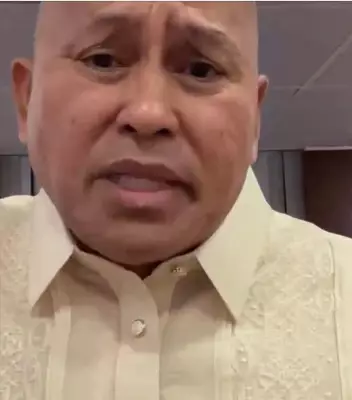
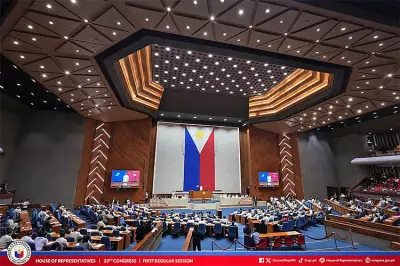
In a privilege speech delivered on Monday, February 16, 2026, Councilor Harry Eran, who chairs the committee on public services, revealed that his office had received reports of garbage trucks—both from the city's private contractor, Pinoy Basura, and city-owned units—being dispatched to specific areas without proper coordination with barangay officials. Eran warned that such lapses could foster perceptions of favoritism, especially during a period of heightened public scrutiny over transparency and accountability.
"As public servants, we are entrusted with more than the crafting of policies. We are guardians of a system that must ensure fairness, order and the dignified delivery of basic services to every constituent—not just the few," Eran stated before the City Council.

Incident in Barangay Cogon Pardo Sparks Outrage
The specific grievance centered on an incident in Barangay Cogon Pardo on Friday, February 13, 2026. According to Eran, a garbage truck was dispatched to collect waste from a single household while ignoring the refuse of neighboring residences. This operation occurred without the knowledge or coordination of barangay officials, who typically manage local collection schedules. The City Council has since moved to formally note the speech and required the Department of Public Services (DPS) and the private provider to secure strict barangay coordination before dispatching units.
"This is a waste of fuel. This is a waste of manpower. And most importantly, this is a waste of the people's trust," Eran emphasized.
Equitable Service Delivery Under Threat
The allegations strike at the core of equitable public service delivery. When government resources—including fuel, manpower, and contracted machinery—are utilized to serve specific individuals rather than defined communities, it undermines public trust and creates operational inefficiencies. Eran quoted residents as saying, "Why was our neighbor's garbage collected while ours was not?" noting that barangays often face blame despite having no knowledge of the dispatch.
Eran argued that such practices place barangay officials in a compromising position, as local leaders frequently encounter backlash from constituents demanding explanations for special treatment. "When garbage collection becomes a private request instead of a public service, chaos follows," he stated.
Perceptions of Graft and Corruption
Furthermore, the lack of coordination fosters perceptions of graft, suggesting that public services can be commandeered by those with personal connections to city dispatchers. At a time when Cebu City is grappling with managing its total waste volume, providing "VIP" treatment for specific households represents a misallocation of limited logistical resources. Eran clarified that his remarks were not intended to single out any individual or office but to address a flawed process requiring immediate correction.
"I am not here to point fingers, but to offer corrections. If the process is wrong, we need to fix it," he asserted.
Severe Disposal Deficit Exacerbates Crisis
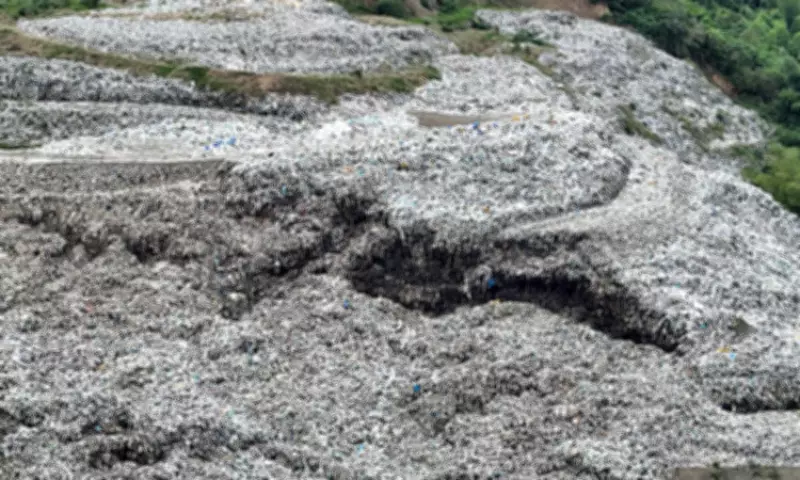
The friction over truck dispatching unfolds against a backdrop of a severe disposal deficit. Following Eran's speech, Councilor Dave Tumulak presented data highlighting a critical imbalance between the garbage Cebu City collects and where it can legally dump it. Current figures reveal a looming environmental bottleneck:

- Daily Collection: The city collects between 600 and 700 tons of waste per day.
- Disposal Limit: The city is currently permitted to dump only 450 tons daily (150 tons at the Asia Energy facility in Consolacion and 300 tons in Aloguinsan).
This results in a daily deficit of approximately 150 to 250 tons of waste lacking a clear disposal destination. Tumulak described the situation as urgent, noting that while private contractors handle collection, the DPS bears ultimate responsibility for presenting a comprehensive waste management plan.
Efficient Routing and Future Actions
The discrepancy underscores why efficient routing is critical. With disposal sites at capacity, every truck trip must maximize its load to prevent trash from accumulating on city streets. In response, the City Council has scheduled an executive session for February 23, 2026, to address both coordination protocols and disposal capacity limits.
"This is an urgent matter that needs to be addressed as soon as possible," Tumulak stressed, emphasizing that addressing the trash crisis requires cooperation from the City Council, barangays, and the public beyond mere segregation efforts.