Cebu City Enters Crisis Mode Following Sudden Landfill Closure
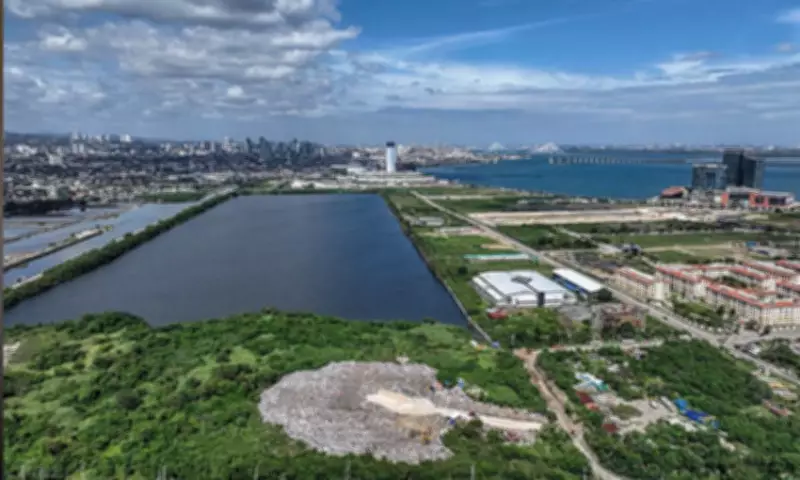
The Cebu City Government has declared a state of emergency in its waste management operations after a private landfill in Consolacion abruptly ceased accepting garbage on February 20, 2026. In response, authorities have temporarily designated Pond A at the South Road Properties (SRP) as a hauling and holding area for municipal waste, marking a significant shift in the city's disposal strategy.
Emergency Measures and Executive Orders
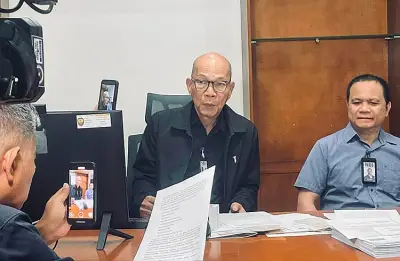
During an executive session on Monday, February 23, 2026, Department of Public Services (DPS) head Paul Gelasque clarified that the SRP setup is only a temporary solution while the city resolves issues with Asian Energy in Barangay Polog, Consolacion. Gelasque explained that the Consolacion facility has refused to allow Cebu City's garbage trucks to dump waste there for the past two days, despite an existing memorandum of agreement (MOA) that was supposed to permit disposal until March 31. However, this MOA remains unsigned by the mayor, leaving the city in a precarious position.
Gelasque attributed the refusal to concerns over payment disputes, forcing the city to revert to regular garbage collection schedules in all 80 barangays instead of the previous interval system. Barangay captains have been ordered to direct waste to the SRP holding area, which is now open 24 hours daily. Additionally, the city is actively searching for a lot in Barangay Inayawan to establish an official transfer station, acknowledging that the SRP situation is unsustainable for long-term use.

Budgetary Concerns and Rising Costs
The financial implications of this crisis are staggering. Currently, Cebu City pays P3,906 per ton to dispose of waste in Aloguinsan, where 25 trucks from a private hauler have been tasked with transport. With an annual allocation of P500.7 million for waste management this year, continuing at the Aloguinsan rate could require an additional P600 million, bringing the total to nearly P1.2 billion. This amount is alarmingly close to the city's annual budget for senior citizens, highlighting the severity of the fiscal strain.
Councilor Dave Tumulak, chairman of the Committee on Budget, expressed deep concern over these escalating expenses. In comparison, the previous arrangement with Prime Waste cost only P1,100 per ton, whereas the Aloguinsan rate could reach up to P1.4 million daily, exacerbating the city's financial burden.
Operational Challenges and Environmental Worries
Operational inefficiencies have also come under scrutiny. Councilor Joel Garganera questioned the effectiveness of the current system, noting that waste at SRP is being dumped directly onto the ground without proper infrastructure. While the Department of Environment and Natural Resources (DENR) has acknowledged the city's crisis, Garganera warned that this practice cannot become permanent. He suggested adopting a system similar to Marikina, which uses concrete platforms to prevent direct soil contamination.
Councilor Harry Eran, chairman of the Committee on Public Services, revealed that the waste backlog has resulted in a dramatic increase in disposal volume. Instead of the usual 500 to 600 tons per day, the amount has doubled or tripled, straining resources further. To mitigate odor issues, the city is using deodorizers, but Eran admitted that these are only superficially effective, underscoring the need for more sustainable solutions.
Long-Term Implications and Community Impact
The crisis has exposed deeper issues in Cebu City's waste management framework, including poor segregation practices at barangay levels where waste mixes upon arrival at disposal sites. As the city navigates this emergency, officials emphasize the urgent need for permanent resolutions to avoid recurring disruptions and environmental harm. The temporary use of SRP as a holding area serves as a stark reminder of the vulnerabilities in urban waste systems and the critical importance of robust planning and infrastructure.