Cebu City's Sidewalk Crisis: Vagrants Transform Pedestrian Paths into Permanent Dwellings
The Cebu City government is grappling with severe headaches as the escalating problem of street dwellers and beggars turns sidewalks into permanent sleeping quarters. What was once designated for pedestrians has now become a hazardous zone, with passersby forced to avoid these areas and walk on the road instead due to obstructions created by those lying down.
A Glimpse into the Sidewalk Situation
Near the Sunstar building along P. Del Rosario Street, the scene is particularly troubling. Individuals can be seen covering themselves with umbrellas while sleeping, others park their bicycles haphazardly, and some, even in broad daylight, shout aggressively, creating a dangerous environment for anyone attempting to navigate the area. This transformation of public walkways into makeshift homes has raised significant safety and accessibility concerns.
Government Directives and Enforcement Challenges
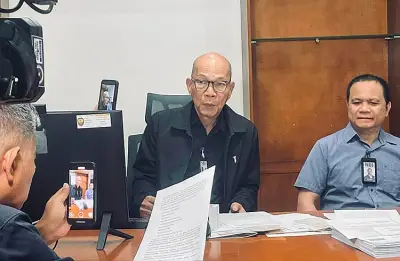
Mayor Nestor Archival issued a clear directive back in September of last year, mandating the Department of Social Welfare and Services (DSWS) to take action against the growing number of street dwellers. However, a pressing question remains: why do these individuals return repeatedly despite regular apprehensions by the Cebu City Anti-Mendicancy Office (Ccamo)?

The situation has devolved into a frustrating game of hide and seek between authorities and the vagrants. Officials monitor areas closely, but once their attention wavers, the street dwellers promptly return to the very spots they were cleared from. Mayor Archival has identified the lack of temporary shelters or housing as a primary reason for this cyclical problem.
Proposed Solutions and Their Limitations
In addition to enforcement, the Balik Probinsya Program has been viewed as a potential solution. This initiative aims to repatriate non-native city residents by providing transportation fares to return to their home provinces. Yet, if this program were truly effective, why do the city's streets remain crowded with these individuals?
Speculation suggests that either they choose not to return home, or they may lack a provincial home to go back to altogether. This highlights the complexity of addressing urban poverty and homelessness through simple relocation efforts.
The Role of Public Compassion and Legal Restrictions
It is difficult to fault the natural compassion of Cebuanos. Giving alms is a humane reaction to witnessing hardship. However, this very kindness sometimes becomes a reason why street dwellers refuse to leave. Begging has evolved into a livelihood for some, sustained by the steady stream of public pity.
It is crucial to remember that giving alms on the streets is prohibited under City Ordinance 1631. This ban is not due to a lack of heart but because it poses real dangers—especially for children who might approach vehicles and risk accidents.
A Call for Comprehensive Action
The issues of vagrancy and mendicancy cannot be resolved through arrests alone. They demand strong political will from the government and public discipline from citizens. As long as people continue to give alms on the streets, and as long as there is no clear alternative housing for these individuals, the sidewalks will remain occupied dwellings rather than safe passages for pedestrians.