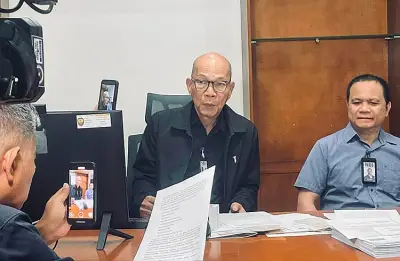

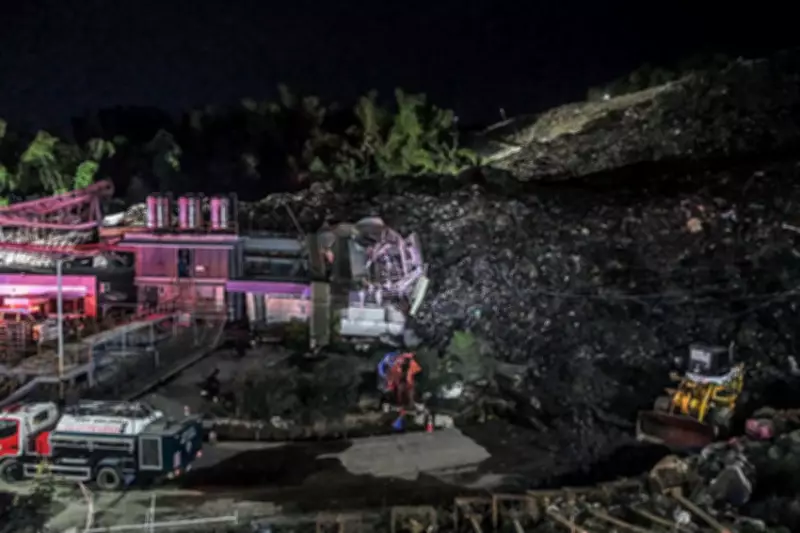
In a clear statement addressing growing public anxiety, Cebu City Mayor Nestor Archival has firmly denied that there are any current plans or formal proposals from City Hall to construct a waste-to-energy (WTE) facility in Barangay Binaliw. This declaration comes despite ongoing opposition from local residents to any similar project following a tragic landfill incident last month.
Resident Petition Demands Action
Mayor Archival issued this clarification amidst escalating concerns fueled by a signature campaign launched by Binaliw residents. The community is calling for the permanent closure of the landfill and the outright rejection of any proposals to build a WTE facility in their area.
The petition was initiated on February 8, exactly 30 days after a trash slide at the Binaliw landfill claimed 36 lives. Submitted to Barangay Captain Vivian Ruste, Mayor Archival, the Cebu City Council, and the Department of Environment and Natural Resources (DENR), it seeks a thorough investigation into the disaster. Additionally, it urges authorities to prioritize long-term and sustainable solutions for waste management.

Roots of the Opposition
Resident resistance began after Captain Ruste expressed willingness to host such a WTE facility, provided certain requirements were met. This stance followed a suggestion from Councilor Pastor Alcover to use the existing landfill site for the facility. In their statements, residents argue that Binaliw has already borne the brunt of Cebu City's garbage problems and should not be treated as a sacrifice zone.
They are also advocating for the strict implementation of zero-waste strategies under the Ecological Solid Waste Management Act (Republic Act 9003).
Mayor's Reassurance and Technological Stance
Mayor Archival stated that he understands the community's concerns. However, he emphasized that information circulating about a planned WTE facility in Binaliw does not originate from City Hall. He further clarified that he has no knowledge of any waste-to-energy facility being constructed in Barangay Binaliw, suggesting that such reports may stem from speculation. He confirmed that there are no concrete plans at this time.
Despite dismissing the proposal for Binaliw, Archival reiterated that he does not oppose WTE technology in principle. He explained that any move to adopt such a system must be guided by clear and enforceable national regulations.
Understanding Waste-to-Energy
WTE technology converts non-recyclable waste into energy through processes like incineration, gasification, pyrolysis, or anaerobic digestion. Proponents argue it can help address landfill shortages, but critics warn of high operational costs and potential environmental and health risks.
The situation highlights the ongoing challenges in balancing urban waste management with community safety and environmental sustainability in Cebu City.