
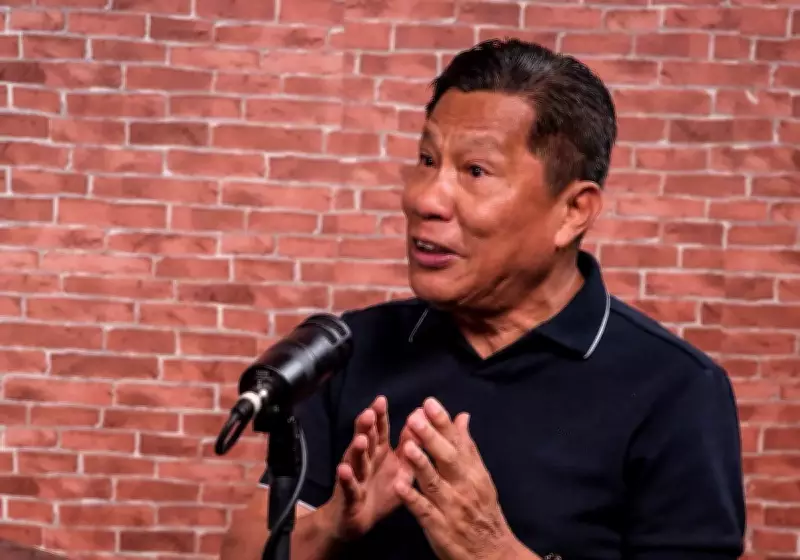
Cebu City Mayor Appeals for Unity in Face of Mounting Garbage Crisis
Cebu City Mayor Nestor Archival made a passionate plea for unity and concrete support from the City Council, barangay officials, and environmental advocacy groups on Friday, February 20, 2026. The urgent call comes as the city continues to grapple with a severe waste management crisis, generating approximately 500 tons of garbage daily while struggling with limited processing capacity.
Moving Beyond Investigations Toward Practical Solutions
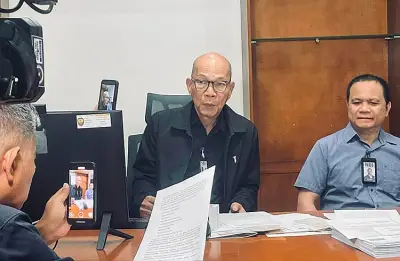
Rather than focusing on investigations or political infighting, Mayor Archival emphasized the need for immediate, workable solutions. "We are in crisis mode and cannot afford division," he stated during a sideline interview at the "Usapang Budget" Forum held at the DepEd Ecotech Center in Lahug, Cebu City. The mayor directly addressed both barangay officials and council members, urging them to "help each other, not target each other" and inviting all stakeholders to bring suggestions to the table.
The Stark Reality of Cebu's Waste Management Challenge
Archival revealed the alarming statistics behind the crisis: while the city produces roughly 500 tons of waste each day, current infrastructure and management systems can only directly handle about 150 tons. This leaves a staggering 350 tons that must be transported and processed elsewhere, creating significant logistical challenges involving truck availability, scheduling coordination, and transportation distances. The mayor described the issue as primarily a programming and management concern rather than a simple collection problem.

Budget Intact but Long-Term Sustainability Needed
While confirming that garbage collection budgets—including emergency allocations—remain intact, Archival stressed that true sustainability requires reducing the volume of mixed waste. He renewed his directive for stricter segregation at the barangay level, explaining that proper sorting of biodegradable and recyclable materials could dramatically cut disposal costs.
Potential Savings Through Improved Waste Segregation
The mayor provided specific estimates about the financial impact of better waste management practices:
- Improved segregation could reduce daily waste by up to 50 tons
- Approximately 20 tons could come from barangay-level biodegradable waste
- Another 15 to 25 tons could be recovered from recyclable materials
With disposal costs estimated at P3,000 per ton, these reductions could translate to daily savings of about P150,000—a significant financial relief for the city's strained resources.
Open to Dialogue but Questions Need for Investigation
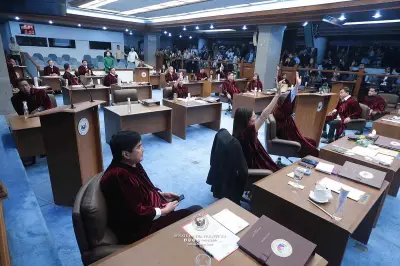
When asked about the City Council's scheduled executive session to discuss the garbage situation, Archival expressed openness to dialogue and recommendations but questioned the necessity of an investigation at this critical juncture. "For me, we are doing the best we can to manage this waste," he stated, emphasizing practical action over procedural inquiries.
Historical Context and Collective Responsibility
The current crisis has been exacerbated by historical factors, including Cebu City's reliance on hauling waste to facilities outside its jurisdiction since the Binaliw Landfill incident on January 8, 2026, and the closure of the Inayawan landfill in 2016. This arrangement has substantially increased hauling and tipping expenses for the current year.
Archival concluded by calling on environmental advocates to contribute workable measures, reinforcing that waste management represents a collective responsibility requiring cooperation across all sectors of Cebu City society. The mayor's appeal underscores the urgent need for collaborative problem-solving as the city faces one of its most pressing environmental and logistical challenges in recent years.