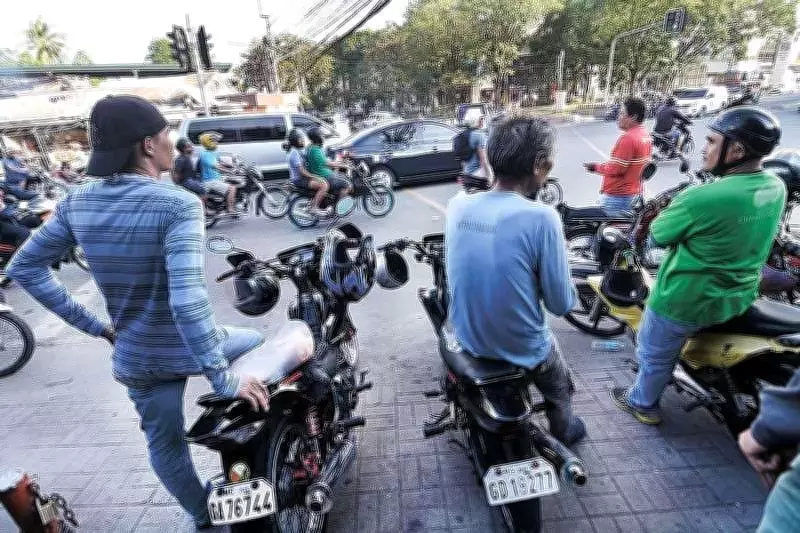
In a landmark move, habal-habal drivers in Cordova town have become the first motorcycle-for-hire operators to receive financial assistance through a provincial program initiated by the Capitol, which operates independently of national government aid. This pioneering effort underscores a targeted intervention for informal transport workers in the region.
Financial Support and Future Plans
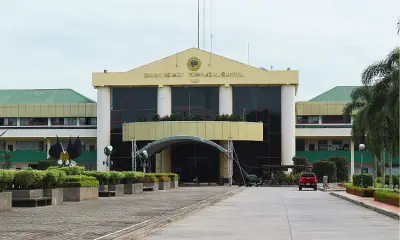
During the "Serbisyo Karaban" event held on Wednesday, April 15, 2026, at the Cordova Sports Complex, at least 87 habal-habal drivers were each granted P3,000. The next caravan is scheduled for Friday, April 17, in the town of Sibonga, expanding the reach of this vital support system.
The caravan served thousands of beneficiaries, bringing together transport workers, farmers, fisherfolk, and other vulnerable sectors seeking government assistance. Among those helped was Jimuel Escabas, a 38-year-old habal-habal driver from Barangay Poblacion, who expressed that the aid would alleviate his daily struggles.

Escabas noted that his daily earnings have plummeted from P800 to P1,000 to around P300, as drivers avoid raising fares for fear of losing passengers. This financial boost is crucial for individuals like him facing economic hardships.
Transition to Legal Livelihoods
Cordova Mayor Didoy Suan emphasized that the inclusion of habal-habal drivers is part of a broader strategy to transition them into legal sources of livelihood. He stressed that habal-habal operations are not recognized as a legal mode of transport in the municipality.
"We have discussed the habal-habal issue with the governor and are actively discouraging it, as it is not a legal transport group in Cordova," Suan stated. "However, the provincial government has extended assistance to help drivers shift to alternative work."
The P3,000 aid, plus rice provided, is intended to help drivers register for legal employment opportunities. Suan suggested that this support could serve as startup capital for drivers to register as delivery riders under platforms such as Grab or Maxim, with potential for continued monthly assistance once they transition.
Broader Impact and Support
Governor Pamela Baricuatro affirmed the province's commitment to this initiative, highlighting the need to provide opportunities for struggling sectors. The program's scope extends beyond habal-habal drivers, benefiting a wide range of individuals.
Other beneficiaries included 1,155 e-bike drivers, 102 trisikad drivers, and 771 motorcab drivers, each of whom received 10 kilos of rice. Additionally, farmers and fisherfolk were given seedlings and fingerlings to support their livelihoods.
The Provincial Social Welfare and Development Office distributed wheelchairs and food packs, while free haircuts and registration assistance from national government agencies were also offered during the caravan. This comprehensive approach ensures that multiple needs are addressed in one event.
Program Logistics and Funding
The initiative has an estimated budget ranging from P100 million to P150 million, with payouts organized by cluster to ensure an orderly rollout. This structured approach aims to maximize efficiency and reach as many beneficiaries as possible across the province.
By focusing on informal transport workers and other vulnerable groups, the program seeks to foster economic stability and legal employment pathways, setting a precedent for future provincial efforts in supporting local communities.