
Davao City Hall Undergoes Historic White Restoration for Centennial Milestone
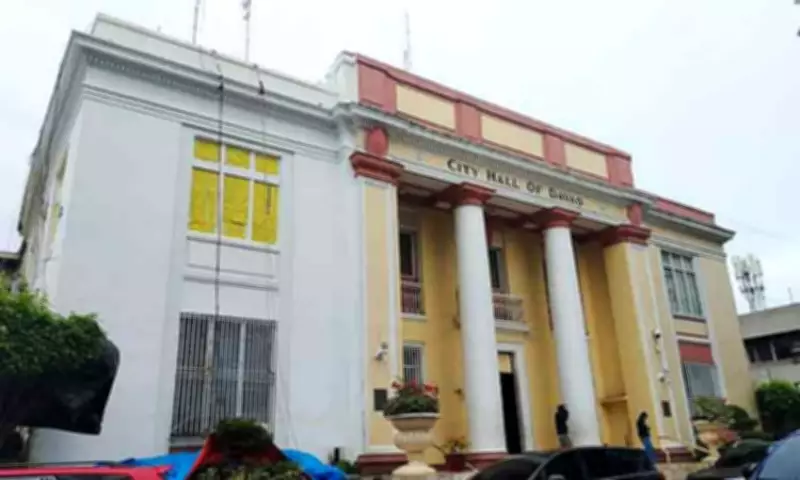
The iconic Davao City Hall is currently undergoing a significant transformation as its façade is being repainted to restore the original white finish, aligning with its historic neoclassical architectural design first established in 1926. This restoration project is a key component of the city government's comprehensive preparations for two major upcoming events: the annual Araw ng Davao celebration and the building's monumental 100th anniversary this year.
Phased Restoration with March 1 Deadline
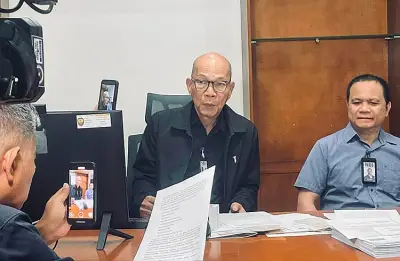
Oscar Casaysay, head of the Davao City Culture and Arts Office, confirmed that the repainting work is progressing smoothly and is on schedule for completion before March 1, just in time for the opening ceremonies of Araw ng Dabaw. The initial phase focuses exclusively on the building's front façade, with the remainder of the structure slated for repainting in the subsequent days. Casaysay emphasized during a press conference at Rogen Inn that this timely completion is crucial for the city's festive kickoff.
The restoration will unfold in multiple phases: following the exterior repainting, workers will proceed to repair the building's windows, enhance the surrounding landscaping, and install improved lighting systems. Casaysay outlined the city's ambitious goal to finalize the entire restoration project within the current year, coinciding with City Hall's centennial celebrations. The project has received full approval from Mayor Sebastian Duterte and is being conducted in collaboration with the National Historical Commission of the Philippines (NHCP).

Historical Accuracy and Architectural Significance
In adherence to NHCP recommendations, the restoration will not only return the building to its original white hue but also involve the removal of non-original features, such as illuminated lettering, to preserve historical authenticity. The city has allocated approximately P2 million for the project, covering both the exterior repainting and necessary window repairs. Notably, the building was last repainted in 2012, making this a significant upkeep effort.
Designed during the American colonial period in the early 20th century, Davao City Hall's origins date back to 1906, when then-Davao District Governor Lt. Allen Walker advocated for a permanent government structure. The building was ultimately completed in 1926, with its design credited to architects Antonio Toledo and Tomas Mapua, and led by National Artist Juan Arellano. Constructed in a distinguished neoclassical style, the landmark is renowned for its imposing columns and symmetrical façade, which have influenced numerous government buildings across the nation, including the Pulupandan Municipal Hall and Talisay City Hall in Cebu.
This restoration effort underscores the city's commitment to preserving its cultural heritage while enhancing the landmark's appearance for future generations to appreciate. As the project advances, residents and visitors alike can anticipate a revitalized City Hall that honors its storied past amidst contemporary celebrations.