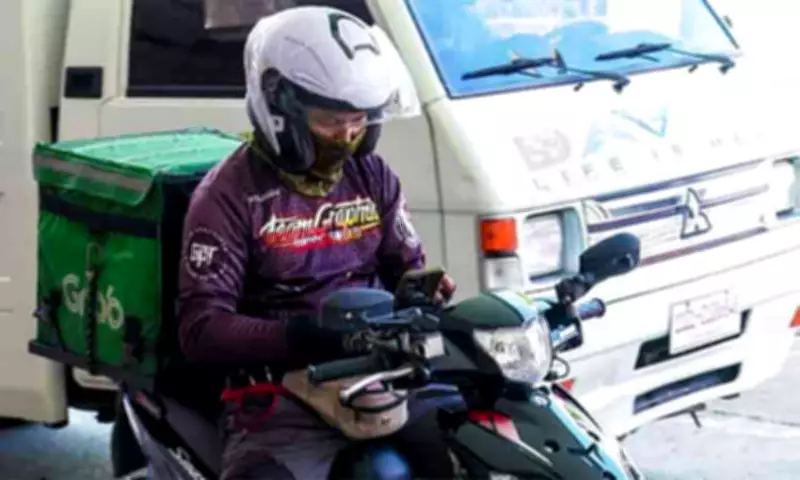
The Davao City Council has taken a significant step toward protecting delivery riders by conducting a committee hearing on a proposed ordinance that would penalize customers who maliciously refuse or fail to pay for their orders. Councilor Danilo Dayanghirang, the proponent of the measure, announced that the hearing has already been held and that coordination with the Department of Trade and Industry (DTI) is underway to address consumer education and training aspects.
Consumer Rights and Delivery Delays
Dayanghirang explained that food delivery transactions involve both buyer and seller rights, particularly when customers refuse payment after an order has been delivered. He noted that issues such as late deliveries also touch on consumer rights and may involve cyber communication concerns. The councilor made these remarks during the Pulong-Pulong sa Dabawenyos on May 12 at the Sangguniang Panlungsod.
Fake Orders and Identity Theft
The proposed ordinance also targets incidents where individuals use another person's identity to place fake food delivery orders. Dayanghirang acknowledged that crafting the ordinance remains complicated and requires further study. City officials plan to hold more discussions with the DTI to refine the proposal.

Consultations have already been conducted with the DTI, delivery platforms, and delivery riders, who generally welcomed the measure. Dayanghirang first proposed the ordinance in a privilege speech on December 9, 2025, following a social media post from a rider whose delivery order was rejected by a customer.
Scope and Prohibited Acts
The ordinance would apply to customers in Davao City who place orders through online delivery platforms, independent riders, app-based riders, and delivery services contracted by local establishments. Prohibited acts include:
- Refusing to pay after confirming an order
- Intentionally avoiding riders
- Providing false information
- Canceling orders without a valid reason
- Harassing or insulting delivery personnel to avoid payment
Presumption of Malice for Repeat Offenses
The proposal establishes a presumption of malice for repeat offenses, such as repeatedly refusing deliveries, blocking contact numbers while orders are in transit, providing fake delivery addresses, or leaving riders waiting for at least 15 minutes without communication. This aims to deter habitual offenders and protect delivery workers from exploitation.