Davao del Norte Governor Forges Ahead with Diesel Procurement Plan Despite Uncertainties
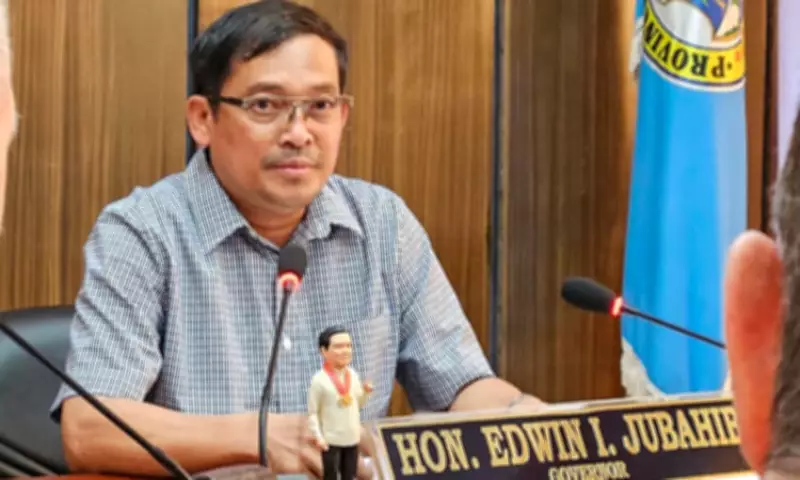
Suspended Davao del Norte Governor Edwin I. Jubahib has declared his unwavering commitment to a large-scale diesel procurement initiative for the province, even as significant questions linger regarding the source of the supply and the financial viability of the project. This announcement comes despite a public denial from Malaysia's state-owned energy giant, Petroliam Nasional Berhad, commonly known as Petronas, which has explicitly stated it is not involved in the proposed transaction.
Governor Insists on Delivery Amidst Secrecy Over Supplier
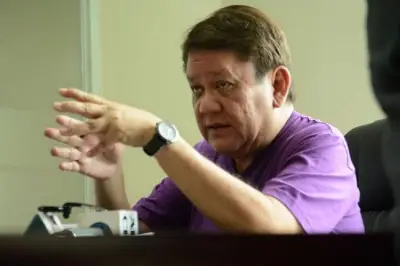
During an ambush interview on April 17, 2026, at the launch event for the Davao-Samal Submarine Interconnection project in the Island Garden City of Samal, Governor Jubahib maintained the provincial government's dedication to securing the fuel supply. He emphasized that the delivery would proceed, although he pointedly declined to disclose the country of origin for the diesel.
"What's certain is that it will come—just know that it will come," Jubahib stated, while adding, "But I am not saying where it will come from, okay? We'll let you know once it actually arrives." This secrecy has fueled speculation and raised concerns about the transparency and legitimacy of the procurement process.

Financial Hurdles and Banking Discussions Emerge
In a candid admission, Governor Jubahib revealed that the province faces substantial financial constraints that may prevent it from fully funding the planned purchase of 44 million liters of diesel. He disclosed that preliminary discussions have been initiated with the Development Bank of the Philippines and the provincial treasurer to explore potential financing options.
"I realized that we cannot afford to pay for the 44 million liters," Jubahib explained, noting that no definitive funding structure has been finalized. This financial uncertainty adds another layer of complexity to an already controversial proposal, casting doubt on the project's immediate feasibility.
Petronas Denial and Clarification from Jubahib
The governor first introduced the plan in March 2026, initially suggesting that negotiations were ongoing with a Malaysia-based supplier allegedly connected to Petronas. He further claimed the initiative was facilitated through connections with members of Malaysia's monarchy, though no supporting documents or formal agreements have been made public.
Petronas has since issued a firm clarification, denying any participation or agreement with the Davao del Norte provincial government. This denial has intensified scrutiny, prompting questions about the sourcing, structure, and overall legitimacy of the proposed fuel procurement.
In response, Jubahib sought to clarify his earlier statements, describing them as part of exploratory discussions rather than a finalized deal. "I wish to clarify further that I do not have any direct communication with Petronas Malaysia," he said, stressing that any potential arrangement remains in the negotiation stage and must comply with Philippine laws, particularly those governing fuel importation and procurement.
Potential Structures and Stated Benefits for the Province
Governor Jubahib noted that future arrangements could potentially take the form of government-to-government transactions or be routed through accredited private entities, subject to oversight by national agencies such as the Department of Energy. Despite the lingering questions and lack of concrete details, he insisted the initiative is designed to benefit residents and businesses in Davao del Norte.
"Of course, all the people of the province of Davao del Norte will benefit from this," Jubahib asserted, suggesting the plan could improve fuel availability and potentially help stabilize prices for motorists and companies within the province.

Critical Details Remain Undisclosed
As of the latest reports, no timeline has been announced for the arrival of the diesel supply. Furthermore, essential details regarding the specific supplier, the finalized financing scheme, and the distribution mechanism remain completely undisclosed. The situation leaves the ambitious procurement plan shrouded in uncertainty, with its execution dependent on resolving significant financial and logistical challenges.