National Government Advocates Structural Reforms to Address Cebu's Escalating Waste Crisis
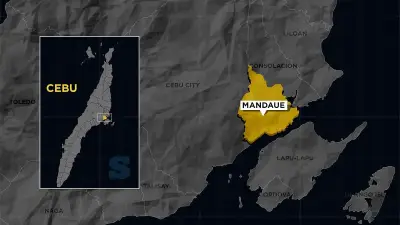
In response to the intensifying waste crisis in Cebu City, the national government has proposed a series of structural reforms and the implementation of modern data systems as long-term solutions. During a press briefing held on Tuesday, March 17, 2026, at Bagong Pilipinas Studios Visayas in Mandaue City, Presidential Communications Office Undersecretary Claire Castro announced that the Department of Environment and Natural Resources (DENR) has recommended measures aimed at reducing waste volume and enhancing processing capacity.
Key Strategies for Waste Reduction and Management
One of the primary suggestions involves reducing waste at the source. Castro emphasized that this strategy is crucial to alleviate the congestion in landfills and the collection system. Additionally, the DENR reiterated the necessity for strict enforcement of waste segregation at the household level, coupled with the establishment of processing facilities in barangays. This approach ensures that biodegradable and recyclable materials are processed before reaching disposal sites.
Background on Cebu City's Waste Policies and Challenges
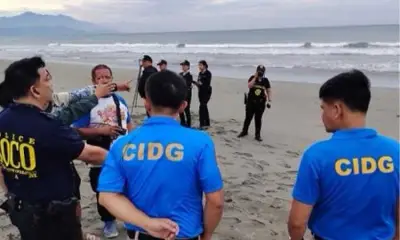
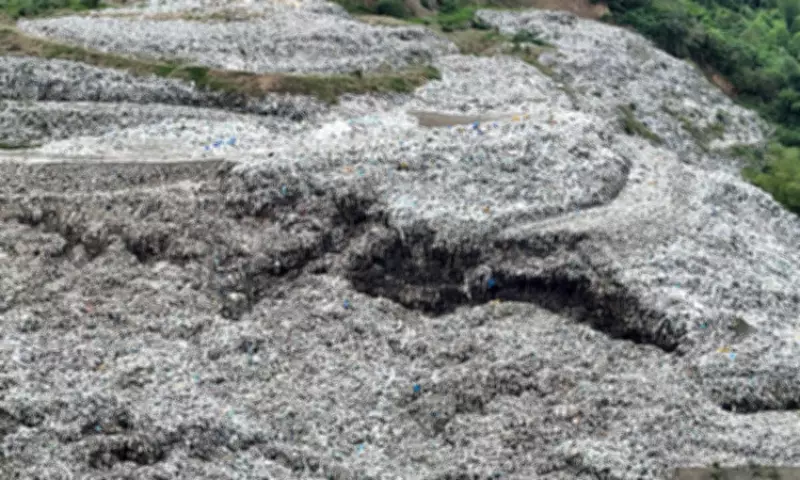
It is noteworthy that in December 2025, Cebu City Mayor Nestor Archival announced the strict implementation of a "no segregation, no collection" policy, scheduled to take effect in February 2026. However, following the tragedy at the Binaliw Landfill on January 8, 2026, which destroyed the city's sole landfill, the government was compelled to seek alternative landfill sites outside the city. This incident accelerated the enforcement of the aforementioned policy.

Advancements in Recycling and Circular Economy Initiatives
Castro further explained that the DENR is advocating for the development of large-scale recycling systems and the adoption of a circular economy model. This initiative aims to strengthen the reuse and recycling of urban waste. Castro acknowledged that such practices have not yet been widely implemented at the household level. By moving away from the traditional "take-make-dispose" model, these efforts are expected to minimize waste generation and reduce costs.
Proposed Integrated Facilities and Data Systems
To complement these endeavors, Castro suggested that the DENR establish integrated waste management facilities. These centralized locations would manage sorting, recycling, and disposal processes efficiently. Moreover, the agency is pushing for an integrated waste data and monitoring system to improve tracking, planning, and enforcement of waste regulations.
Urgent Need for Coordinated Government Action
These recommendations emerge as Cebu City continues to grapple with accumulating waste and limited disposal capacity, highlighting the urgent need for coordination across all levels of government. The crisis underscores the importance of collaborative efforts to implement sustainable waste management solutions and prevent future environmental disasters.