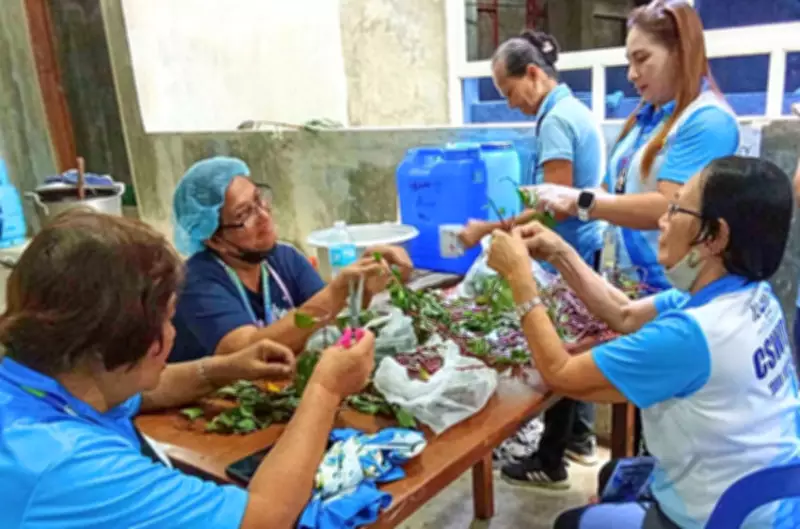
In a strategic move to bolster community resilience, the Iloilo City Government has announced plans to revive its community kitchens, aiming to support vulnerable sectors and cushion the impact of the ongoing Middle East conflict on the prices of basic commodities. Originally launched during the height of the Covid-19 pandemic, this initiative is now being reactivated with pilot implementation planned in selected barangays across the city.
Targeted Implementation and Strategic Planning
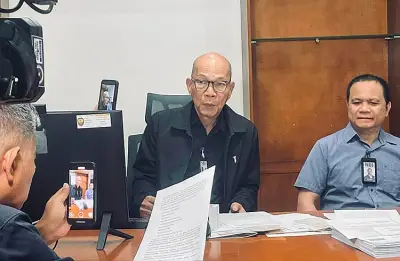
Mayor Raisa Treñas stated that the city will finalize recommendations with its Crisis Management Council to determine which barangays will host the community kitchens. "Dasigon naton ang aton mga programa kay ang pinaka importante subong, may makaon guid," she emphasized, highlighting the priority of ensuring food access for residents. The Crisis Management Council convened last week to discuss conservation measures, strategic protocols, and response mechanisms, with key components of the community kitchen program—including budget allocation, menu planning, equipment requirements, and district-based deployment of resources and personnel—being thoroughly addressed.
Boosting Local Agriculture and Food Systems
During the kickoff of the Filipino Food Month celebration at the Iloilo Terminal Public Market on Monday, April 6, 2026, Mayor Treñas reiterated the importance of such initiatives. She noted that programs like the community kitchens and other food-related efforts directly benefit local farmers by cutting out intermediaries and creating more direct market access. "Daku guid ini nga bulig, labi na gid kay gina-highlight naton ang local," she added, underscoring the significant support for local producers.

The mayor also pointed out that city-led initiatives, such as Merkado Lokal and mall-based exhibits, have contributed to the expansion of agricultural areas within Iloilo City. Land cultivated for rice and vegetables has increased to 200 hectares this year, up from 150 hectares last year, reflecting a growing commitment to local food production.
Historical Context and Community Spirit
During the pandemic, local farmers played a crucial role in sustaining the community kitchens by donating produce, which was prepared and distributed through the efforts of volunteers and city workers. This spirit of promoting local food systems and sustainability was echoed by Dr. Ivan Anthony Henares, secretary-general of the Unesco National Commission of the Philippines, during the opening ceremony of the Filipino Food Month celebration. He posed a vital question: "How can we serve accessible, healthier, and dignified meals that reflect our values and enrich our souls?" emphasizing the broader cultural and social dimensions of food security.
Collaborative Efforts and Future Outlook
The Filipino Food Month celebration is made possible through the collaborative efforts of multiple organizations, including the National Commission for Culture and the Arts, Unesco National Commission of the Philippines, Philippine Culinary Heritage Movement, Department of Tourism Western Visayas, Department of Agriculture Western Visayas, and the Iloilo City Government. This partnership highlights a unified approach to addressing food insecurity and promoting sustainable practices.
As Iloilo City moves forward with reviving its community kitchens, the initiative not only aims to provide immediate relief to vulnerable residents but also strengthens local agricultural networks and fosters a sense of community resilience in the face of global challenges.