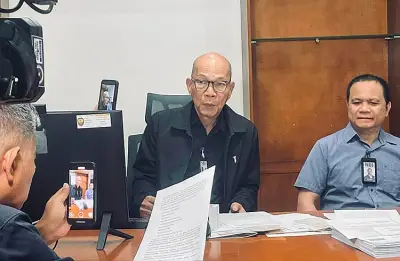
President Marcos Unveils Contingency Plan for Rising Oil Prices
In a significant policy announcement, President Ferdinand "Bongbong" Marcos Jr. has revealed that the Philippine government is prepared to roll out targeted fuel subsidies and free public transportation rides should global oil prices escalate beyond $80 per barrel. This measure is designed to mitigate the economic strain on vulnerable sectors, including transport, agriculture, and fisheries, amidst volatile market conditions.
Threshold for Intervention Set at $80-$90 per Barrel
The President specified that if Dubai crude oil prices fluctuate between $80 and $90 per barrel and sustain this level for a continuous period of two months, immediate action will be taken. This proactive approach aims to preempt the adverse effects of soaring fuel costs on the nation's economy and daily life.
Key beneficiaries of the proposed subsidies include:

- The transport sector, which relies heavily on fuel for operations.
- Agricultural workers, as fertilizers are derived from petroleum products.
- Fisherfolk, who face increased expenses for fuel in their livelihood activities.
Utilization of Existing Funds and Additional Measures
President Marcos emphasized that the government will leverage allocated funds, such as the Pantawid Pasada Program, to provide direct financial assistance to affected groups. Additionally, subsidies for farmers and fishermen are being prioritized to ensure food security and economic stability.
Beyond subsidies, the administration is exploring comprehensive strategies to alleviate transportation costs. This includes the potential implementation of free rides on select major routes and a temporary halt to fare increases in public transportation systems. These steps are intended to shield workers and ordinary citizens from the brunt of oil price hikes, fostering resilience in the face of global economic pressures.
Broader Implications for the Philippine Economy
The announcement underscores the government's commitment to social protection and economic management. By targeting specific sectors, the plan seeks to balance fiscal responsibility with urgent public needs, ensuring that essential services remain accessible during periods of market instability. As global oil markets remain unpredictable, such contingency measures highlight a forward-thinking approach to governance and crisis response.