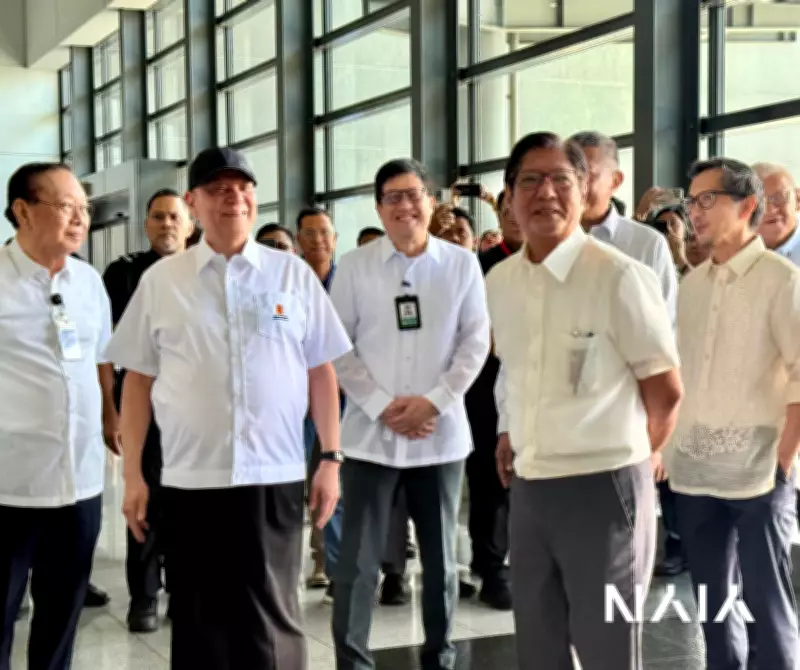
President Ferdinand Marcos Jr. has thrown his support behind a legislative proposal to eliminate the travel tax imposed on Filipino travelers, a move aimed at easing financial burdens and stimulating tourism. According to Palace Press Officer Undersecretary Claire Castroi, the president seeks to reduce the costs associated with travel for Filipinos, not only for leisure trips abroad but also in emergency cases requiring overseas medical care or other urgent needs.
Government Funding Strategy for Revenue Loss
The Palace has assured that the revenue shortfall resulting from the removal of the travel tax will be addressed through government funding via the General Appropriations Act. This approach ensures that essential programs previously supported by the tax will continue to receive financial backing without disruption.
Current Allocation of Travel Tax Funds
Under the existing system, the travel tax levied on outbound travelers is distributed as follows: 50% is allocated to the Tourism Infrastructure and Enterprise Zone Authority (TIEZA) for programs and projects, 40% is directed toward education initiatives, and 10% is used to promote the nation's culture and heritage. These allocations highlight the tax's role in funding key sectors, though the proposed abolition aims to shift this financial responsibility to the broader government budget.

Legislative Details and Next Steps
The bill was introduced by House Majority Leader and Ilocos Norte 1st District Representative Sandro Marcos. However, specific details regarding the proposal have not yet been discussed in the Legislative-Executive Development Advisory Council (LEDAC) meeting, as the measure is still being refined and finalized. Officials indicate that further deliberations are needed to iron out the implementation plan and ensure a smooth transition.
This initiative reflects a broader effort to make travel more accessible for Filipinos, potentially encouraging more tourists to visit the Philippines and supporting citizens in times of crisis. The move aligns with economic strategies to enhance the country's appeal as a travel destination while addressing the practical needs of its people.