President Marcos Greenlights 21 Priority Legislative Measures in Key Ledac Meeting
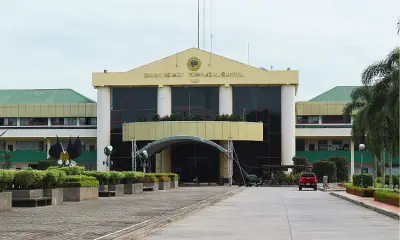
President Ferdinand Marcos Jr. has given his official approval to a comprehensive list of 21 priority legislative measures during the third full meeting of the Legislative-Executive Development Advisory Council (Ledac) for the 20th Congress. This significant meeting took place on Tuesday, February 10, 2026, at Malacañan Palace, marking a pivotal moment in the administration's push for structural reforms as it enters the second half of its term.
The approved legislative agenda spans a wide range of critical areas, including governance and transparency enhancements, social services improvements, agriculture and food security initiatives, energy sector reforms, digital regulation updates, and institutional strengthening efforts. This broad scope underscores the government's commitment to addressing multifaceted challenges facing the nation.
Palace Confirms Presidential Satisfaction with Legislative Priorities
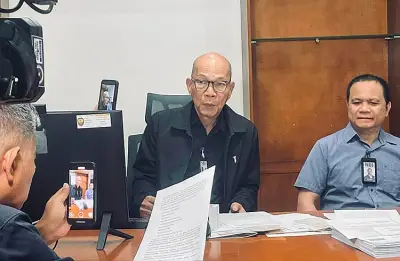
In a press briefing following the meeting, Palace Press Officer Undersecretary Claire Castro provided insights into the President's perspective on these developments. "Sa naganap na Ledac meeting, binigyang-prayoridad ni Pangulong Marcos Jr. ang 21 priority legislations na makakatulong na maiangat ang pamumuhay ng taumbayan," Castro stated, emphasizing that these measures are designed to uplift the living conditions of Filipino citizens.

She further revealed that "Sa kabuuan, natuwa at kuntento naman ang Pangulo sa mga priority bills na inaasahang maipapasa bago mag-Hunyo ngayong taon," indicating President Marcos's satisfaction and contentment with the priority bills that are anticipated to be passed before June of this year.
Key Governance and Transparency Measures Take Center Stage
Among the most politically significant proposals approved are:
- Anti-Political Dynasty Law – Aimed at reshaping the country's electoral landscape by addressing concentrated political power within families.
- Party-List System Reform Act – Designed to improve representation and ensure that marginalized sectors have genuine voices in government.
- Citizen Access and Disclosure of Expenditures for National Accountability (Cadena) Act – Seeks to strengthen public access to government spending records, promoting fiscal transparency.
- Independent People’s Commission Act – Intended to create an independent body to oversee government accountability.
The administration is also advancing long-delayed measures such as the Right to Information Act and amendments to the Bank Deposits Secrecy Law under the proposed Banking Reform for Integrity, Good Governance, Honesty, and Transparency (Bright) Act. These initiatives aim to enhance transparency and accountability in both governmental operations and the financial system.
Balancing Digital Regulation with Freedom of Expression
A notable inclusion in the priority list is the proposed Anti-Fake News and Digital Disinformation measure, reflecting growing concerns over the impact of online misinformation on public discourse and democratic institutions. However, the Palace has emphasized the need for balance in this area.
"Hindi hahayaan ng Pangulo na masagasaan ang anumang freedom of expression/ freedom of speech ng ating mga kababayan," Castro assured, adding that "Ang sabi lamang ng Pangulo noong nabanggit ito ay dapat balansehin dahil nga baka masagasaan iyong freedom of expression." This highlights the administration's cautious approach to regulating digital content while safeguarding constitutional rights.
Social Services and Education Reforms Prioritized
Several approved measures focus on strengthening social services and improving the education sector:

- Amendments to the Pantawid Pamilyang Pilipino Program (4Ps) – Aimed at enhancing the conditional cash transfer program for impoverished families.
- Masustansyang Pagkain Para Sa Batang Pilipino Act – Designed to bolster school-based feeding initiatives and address child malnutrition.
- Review of the Government Assistance to Students and Teachers in Private Education (Gastpe) Act – Intended to improve support for private education stakeholders.
- Classroom-Building Acceleration Program (CAP) Act – Proposed to address the critical classroom shortages across the country.
Recent data from the Department of Education (DepEd) reveals that the Philippines is facing an estimated shortage of around 165,000 classrooms nationwide. This deficit has forced many schools to implement improvised solutions, such as double or even triple shifting of class schedules, to accommodate all learners. In some cases, classes are held in makeshift spaces like gymnasiums, covered courts, or converted multipurpose rooms, which can significantly compromise the quality of the learning environment.
Health, Economic, and Environmental Initiatives Included
The legislative agenda also encompasses important health sector reforms, including the creation of a National Center for Geriatric Health to address the growing needs of the country's elderly population. Additionally, the Expanded Anti-Online Sexual Abuse or Exploitation of Children and Anti-Child Sexual Abuse or Exploitation Materials Act of 2026 is among the priority measures, aiming to strengthen protections for vulnerable minors.
On the economic front, the administration has endorsed the Travel Tax Abolition bill, which seeks to ease the financial burden on Filipino travelers and promote tourism. "Nakita po ng Pangulo na mas makakagaan po ito sa ating mga turista at sa ating mga kababayan na nagbibiyahe," Castro explained, noting that Marcos supports abolishing the travel tax as many Filipinos travel for work, emergencies, and leisure, making the tax an unnecessary burden.
Agriculture, Energy, and Regional Governance Measures
Other significant bills in the priority list include:
- Waste-to-Energy (WTE) Bill/Waste Treatment Technology Act – Focused on promoting sustainable waste management and energy production.
- Amendments to the Electric Power Industry Reform Act (Epira)-Energy Regulatory Commission (ERC) Strengthening Bill – Aimed at improving the energy sector's regulatory framework.
- Amendments to the Rice Tariffication Law/Rice Industry and Consumer Empowerment (Rice) Act – Designed to enhance food security and support the rice industry.
- Department of Water Resources – Proposed to centralize water resource management and address water-related challenges.
- Estate Tax Amnesty – Intended to provide relief for taxpayers with unsettled estate tax obligations.
- Bangsamoro Autonomous Region in Muslim Mindanao (Barmm) Elections – Focused on ensuring smooth electoral processes in the autonomous region.
Notably, amendments to the Coconut Farmers and Industry Trust Fund Act were also included to refine the management and utilization of the multibillion-peso coconut levy fund for farmers' benefit. "Binigyang-diin ng Pangulo na dapat matulungan natin ang mga coconut farmers natin dahil second tayo sa pinakamalaking nag-e-export sa buong bansa. So, pinatutukan din ito ng Pangulo," Castro emphasized.
The Philippines holds a prominent position in the global coconut industry, being the second-largest producer worldwide. In 2024, the country produced 14.77 million metric tons of coconut, trailing only Indonesia, highlighting the economic importance of supporting coconut farmers through effective legislative measures.