Malacañang Defends DILG's Safer Cities Initiative Amid Anti-Poor Criticisms
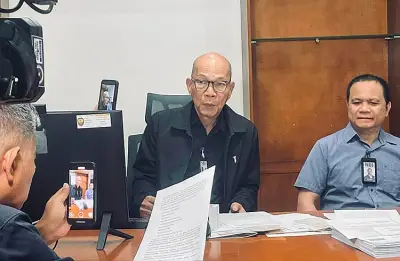
On Friday, April 10, 2026, Malacañang Palace publicly came to the defense of the Department of the Interior and Local Government (DILG) following mounting criticisms against the agency's Safer Cities Initiative. The program, which has been labeled as "anti-poor" by some groups, aims to enhance public safety and instill discipline among minors, according to Palace Press Officer Claire Castro.
Clarifying the Initiative's Purpose
Castro emphasized that the Safer Cities Initiative is not a new set of rules but rather a reinforcement of long-standing local ordinances. She stated, "First of all, these are long-standing ordinances. They are only being implemented by the DILG." She further argued that disciplining youth for their protection should not be misconstrued as targeting the poor, adding, "This does not mean that disciplining the youth to make them safer and protected is anti-poor. Not all forms of discipline can be considered anti-poor. This is for the protection of every Filipino."
Key Measures and Public Concerns
The initiative enforces various measures under existing laws, including a 10 p.m. curfew for minors, restrictions on public drinking, and prohibitions on late-night videoke sessions. However, it has faced backlash from organizations such as the Samahan ng Progresibong Kabataan, who describe it as "anti-poor" and "prone to abuse." Critics have raised concerns about potential profiling and harassment of young people, arguing that the program could disproportionately affect disadvantaged communities.

Defense and Assurance from the Palace
In response to these criticisms, Castro cited complaints from parents about minors who refuse to go home early and are difficult to discipline, highlighting the initiative's role in addressing such issues. She also assured the public that the measures would be implemented with strict respect for human rights, urging citizens to report any abuses immediately. Castro said, "Report any abuse immediately so that victims can be protected and authorities who misuse their power can be held accountable."
The Safer Cities Initiative was initially piloted in Metro Manila and is part of broader efforts to improve urban safety. As debates continue, Malacañang remains steadfast in its support, framing the program as a necessary step for public protection rather than a discriminatory policy.