PNP Intensifies Crackdown on Fuel Hoarding and Profiteering Amid Rising Prices
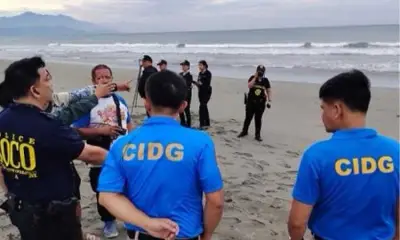
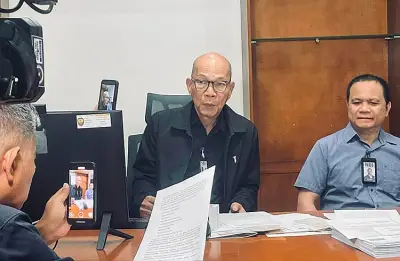
In a significant enforcement action, seven individuals are now facing serious charges for alleged hoarding and profiteering of fuel, as escalating tensions in the Middle East continue to drive up prices nationwide. The Philippine National Police (PNP) disclosed these developments during a press conference held on Monday, March 30, 2026, highlighting a coordinated effort to curb illegal activities exploiting the current oil crisis.
Charges Filed Across Multiple Regions
PNP spokesperson Brigadier General Randulf Tuaño announced that three individuals from the Bicol Region and one from Eastern Visayas have been charged with hoarding. Additionally, three other suspects in Eastern Visayas, Davao Region, and Central Luzon face allegations of profiteering, overpricing, and trademark infringement. This widespread crackdown underscores the national scope of the issue, with law enforcement agencies targeting illicit operations that exacerbate fuel shortages and inflate costs for consumers.
Major Confiscation in Ligao City, Albay
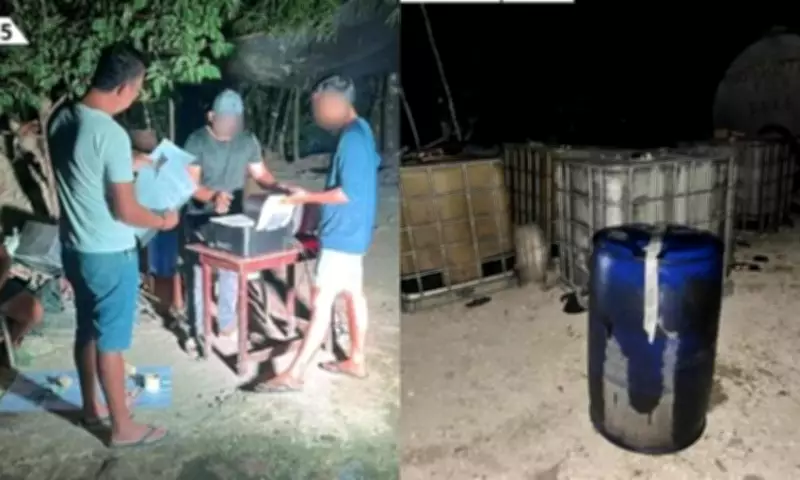
The latest arrest occurred on March 26 in Ligao City, Albay, where police confiscated over P2 million worth of fuel from a 43-year-old suspect. Tuaño explained the modus operandi, stating, "What they do is buy from gasoline stations using the legitimate number of liters that individuals are allowed to purchase. They also use other individuals, then combine the fuel and sell it at a much higher price." This scheme exploits loopholes in fuel distribution, allowing perpetrators to amass large quantities and resell them at inflated prices, directly impacting everyday consumers.

Consumer Behavior and Policy Guidelines
Tuaño noted that some consumers patronize these illegal sellers despite slightly higher prices, reasoning that the cost of traveling to retail stations often negates any savings. "Based on their computations, if they travel to retail stations, they would spend almost the same amount on fuel anyway—so they end up buying from individuals like the ones who were caught," he added. Meanwhile, the Department of Energy (DOE) has issued guidelines as of March 2026, which do not impose a strict nationwide cap on fuel purchases. Instead, the policy requires that purchases be proportionate to a customer's usual consumption and actual operational needs, aiming to prevent hoarding while ensuring fair access.
Impact on Gas Stations and Ongoing Coordination
As of March 30, the number of gas stations that have shut down amid the looming oil crisis has decreased to 365, down from over 400 the previous week. Tuaño attributed this to supply issues, explaining, "The usual reason for their closure is that they have run out of gasoline supply, but others reopen immediately as soon as they receive new stock." The PNP remains in close coordination with the DOE and other government agencies to prevent further exploitation of the situation, emphasizing a proactive approach to maintain order and protect consumers from unfair practices.
This crackdown highlights the broader challenges posed by global geopolitical tensions, with local authorities working diligently to mitigate the economic impact on Filipino households. The ongoing investigations and arrests serve as a warning to those seeking to profit from the crisis, reinforcing the government's commitment to ensuring fuel availability and affordability during these uncertain times.