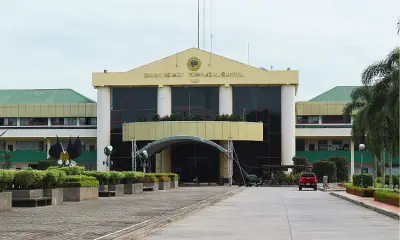


Safe havens are places where foundlings or relinquished infants may be safely received, protected, and provided immediate care. These include hospitals, health centers, lying-in clinics, child caring agencies, child placement agencies, temporary shelters, police stations, barangay facilities, and government-managed or accredited institutions capable of responding to the needs of vulnerable children.
The Urgent Need for Protection Before Recognition
Before a birth certificate is issued by the Philippine Statistics Authority, before legal processes begin, and before any government interventions are fully mobilized, a foundling must first survive the moment they are left behind. This is where safe havens become critically important.
Under Republic Act No. 11767, or the Foundling Protection and Recognition Act, foundlings are granted legal identity, protection, and the same rights afforded to every other Filipino. However, before recognition comes something far more urgent: protection.

Safe havens are more than just physical spaces. For some children, these safe havens become the difference between life and death. Abandonment of infants and vulnerable children continues to happen due to poverty, fear, or overwhelming circumstances. Safe havens provide an alternative to unsafe abandonment, creating a point of intervention before tragedy occurs.
Understanding Relinquished Foundlings
Not all foundlings are simply infants discovered abandoned in public places. Some are what the law refers to as "relinquished foundlings" — infants or children intentionally surrendered by parents or guardians to safe haven providers because they are unable to care for them. This part of the conversation deserves compassion rather than judgment.
If surrender must happen, it should happen safely — not in empty lots, beside roads, in drainage canals, or in garbage bins. Safe havens exist precisely to prevent these tragedies.
Responsibilities of Safe Haven Providers
Safe haven providers are expected to do more than simply receive a child. At the most vulnerable point in that child's life, they become immediate protectors. Their responsibilities include:
- Ensuring the child's immediate safety and medical care
- Coordinating with local authorities and the National Authority for Child Care for placement and intervention services
- Initiating documentation and reporting procedures to ensure the child enters the legal protection system
In many ways, safe haven providers become the child's first guardians before society even learns that the child exists.
A Society's Promise
Safe havens are not merely child protection mechanisms or administrative structures. They are society's promise that even in moments of abandonment, compassion will still exist. Before judgment comes protection, and no child will ever be completely alone.
For parents who feel overwhelmed, afraid, unsupported, or incapable of caring for a child, there are lawful and safer options available. A child may be safely surrendered to recognized safe haven providers such as hospitals, health centers, police stations, child caring agencies, or local social welfare offices. The law provides mechanisms to ensure that the child will be protected, cared for, and eventually placed under appropriate alternative child care arrangements.
Asking for help is always better than placing a child in danger. No child's first chapter should begin with fear when it could begin with safety instead.