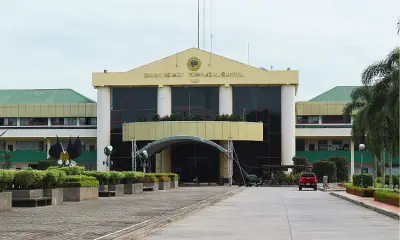
Philippines Supreme Court Cancels Baguio Summer Session Over Oil Price Crisis
The Supreme Court of the Philippines has officially canceled its long-standing summer session in Baguio City for 2026, a decision driven by the ongoing surge in oil prices associated with geopolitical tensions in the Middle East. This move is part of broader energy conservation measures outlined in Memorandum Circular No. 02-2026, following earlier implementations of a hybrid work setup within the judiciary to reduce energy consumption.
Chief Justice Announces Decision After En Banc Consultation
Chief Justice Alexander G. Gesmundo announced the cancellation after consultations with the En Banc, emphasizing the necessity to maintain effective justice delivery despite the current national situation. He stated that the court remains committed to its duties while adapting to economic challenges.
Historical Context and Temporary Relocation
The Baguio summer sessions are a tradition that dates back to 1948 under former Chief Justice Manuel Moran, serving as a hallmark of the judiciary's operations. In lieu of the Baguio sessions, all activities will be relocated to Manila from April 6 to 30. During this period, the court will conduct oral arguments on critical petitions, including the 2024–2026 General Appropriations Act and issues related to foreign divorce.

Energy Conservation Measures and Future Implications
The Supreme Court clarified that this cancellation is a temporary measure aimed at conserving energy amid the oil price hike. It is part of a series of steps to optimize resources, with the hybrid work setup already in place to support these efforts. The court assured that special sessions in Baguio could be reinstated once conditions normalize, highlighting the flexibility of this decision.
Impact on Judicial Proceedings
Despite the relocation, the Supreme Court has ensured that all essential judicial functions will proceed without interruption. The move to Manila is designed to minimize disruptions, with plans to handle high-profile cases efficiently. This adjustment reflects the judiciary's proactive approach to navigating external economic pressures while upholding its constitutional responsibilities.