Supreme Court's Decision Paves Way for Impeachment Proceedings Against VP Duterte
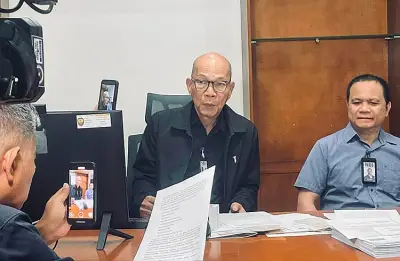
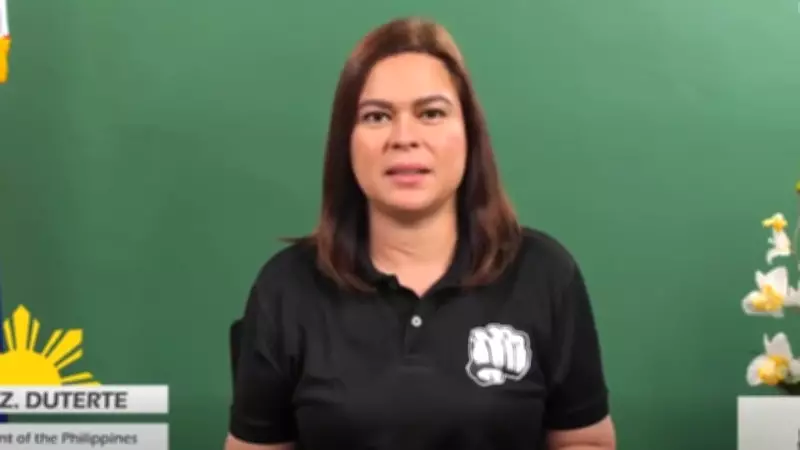
The House Committee on Justice is set to formally launch its investigation into the impeachment complaint filed against Vice President Sara Duterte, following the Supreme Court's failure to issue a temporary restraining order (TRO) that would have halted the process. This development marks a significant step forward in the congressional inquiry, as confirmed by House Committee on Public Accounts Chair and Bicol Saro Party-list Representative Terry Ridon, who stated that all preparations for the hearing are now finalized and ready to proceed.
Witnesses and Evidence in Focus
Representative Ridon announced that key witnesses have already been lined up to testify before the committee, including Ramil Madriaga, who is alleged to be a bagman for the vice president. In addition to Madriaga, officials from various government agencies, lawyers, and other resource persons with direct connections to the allegations are expected to appear. These individuals will be required to submit sworn affidavits and other documents that will serve as evidence during the investigation, ensuring a thorough examination of the claims.
Ridon emphasized that the current phase is considered a preliminary investigation, not a formal trial, as the House of Representatives fulfills its exclusive constitutional mandate. This involves meticulously analyzing the complaints to determine if there is sufficient basis or probable cause to advance the impeachment case to the Senate. To maintain fairness, the credibility of each witness will undergo rigorous scrutiny, with all testimonies given under oath to ensure they are based solely on truth and supported by solid evidence.

Constitutional Process and Future Steps
The absence of a TRO from the Supreme Court has effectively removed a potential barrier, allowing the House to move forward with its duties under the Constitution. Ridon clarified that this stage is crucial for establishing the groundwork for any potential trial, focusing on gathering and verifying facts before any formal charges are made. The committee's approach aims to uphold transparency and due process, with all proceedings designed to be impartial and evidence-driven.
As the investigation progresses, further details are expected to emerge from the testimonies and documents submitted. The outcome of this preliminary phase will determine whether the impeachment complaint has enough merit to proceed to the Senate for a full trial, shaping the political landscape in the coming months.