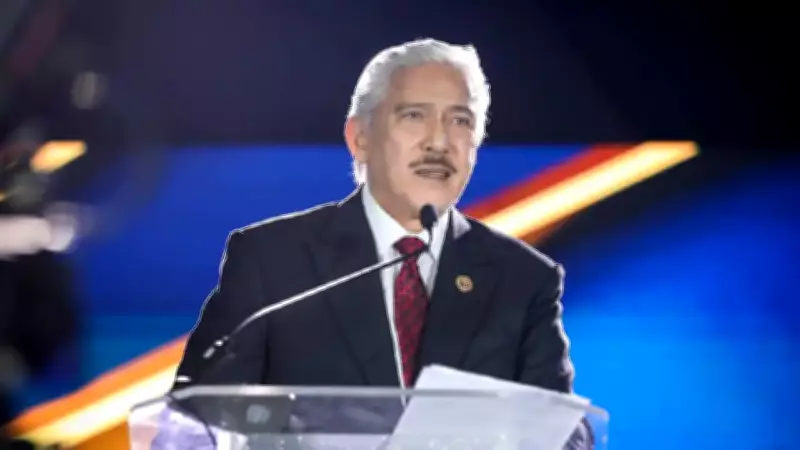
Senate President Sotto Confirms No Enrolled Bill Yet for Fuel Tax Suspension Measure
Senate President Vicente "Tito" Sotto III has officially confirmed that the Senate of the Philippines has not yet received an enrolled bill regarding the proposed measure to grant the President authority to suspend or reduce excise taxes on petroleum products. This announcement was made on Monday, March 23, 2026, highlighting a procedural delay in the legislative process.
House Adoption and Senate Awaiting Transmittal
According to Sotto, there has been no transmittal from the House of Representatives of the Philippines, even though the House adopted the Senate's version of the bill on March 18. This adoption followed a unanimous 17-0-0 vote in the Senate, indicating strong bipartisan support for the measure. Sotto clarified that he will only sign the bill once the enrolled copy is received, after which it will be forwarded to the President for final approval.
Purpose of the Fuel Tax Suspension Measure
The primary objective of this legislative proposal is to empower Malacañang, the official residence of the Philippine President, with temporary authority to lower or suspend fuel excise taxes. This measure aims to alleviate the economic impact of soaring oil prices on consumers and businesses across the nation. By providing this flexibility, the government seeks to mitigate financial strain during periods of volatile global oil markets.

Implications and Next Steps
The delay in receiving the enrolled bill underscores the complexities of the legislative workflow between the two chambers of Congress. Key points to note include:
- Procedural Hurdle: The absence of transmittal from the House means the Senate cannot proceed with finalizing the bill, potentially slowing down relief efforts for affected sectors.
- Economic Relief: Once enacted, this measure could provide immediate financial relief by reducing fuel costs, which are a significant component of transportation and production expenses.
- Government Response: This initiative reflects the government's proactive approach to addressing economic challenges, particularly in response to fluctuating international oil prices.
As the situation develops, stakeholders are closely monitoring the progress of this bill, which holds significant implications for the Philippine economy and public welfare. The Senate remains on standby for the necessary documentation to advance this critical piece of legislation.