Tito Sotto's Political Journey and Family Legacy
Senator Vicente "Tito" Sotto III, born in Manila on August 24, 1948, and educated at Colegio de San Juan de Letran from elementary through college, comes from a distinguished political lineage. His paternal grandfather, Vicente Y. Sotto Sr. (1877-1950), was a senator, lawyer, and journalist, as was his grand-uncle Filemon Y. Sotto (1872-1966). Tito's father, Marcelino Antonio "Nonong" Ojeda Sotto Sr., was Vicente's son.
Political Identity and Cebuano Roots
While Tito Sotto has acknowledged his Cebuano heritage during election campaigns, his connection to Cebu has been questioned. He has not been involved in local politics and is often absent during Cebu's crises or celebrations, leading to his identification more with Manila than Cebu. Notably, Cebu has had no Senate representation since Sergio "Serge" Osmeña III's term ended on June 30, 2016, with Tito Sotto frequently excluded from lists of Cebuano senators.
Indirect Contempt Charges and Historical Parallels
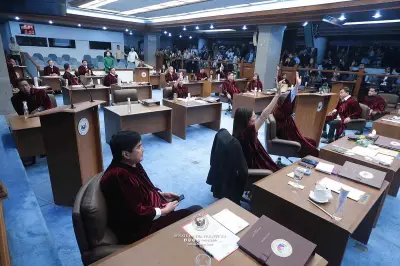
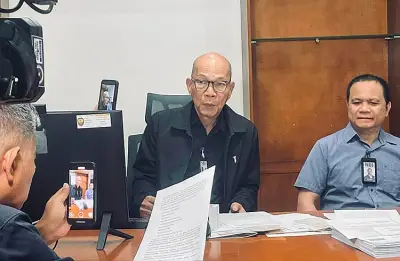
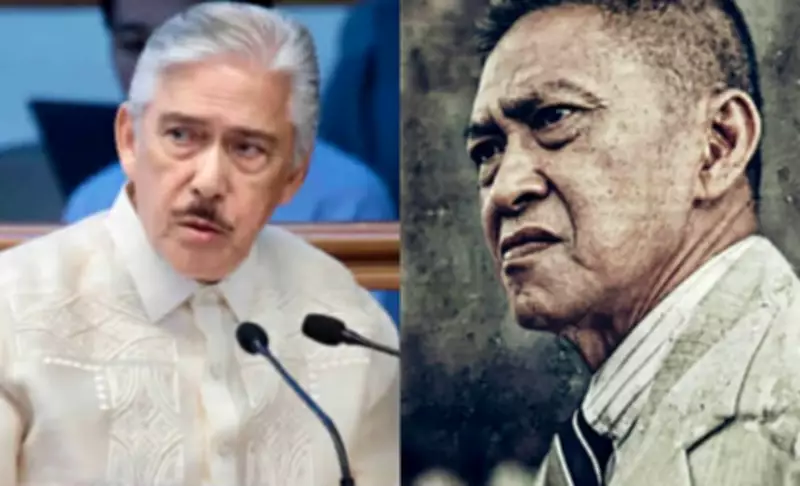
On February 13, 2026, a petition for indirect contempt was filed against Tito Sotto for remarks criticizing the Supreme Court's resolution on Vice President Sara Duterte's impeachment. The petition alleges his comments were "demeaning," "degrading," and "disrespectful," exceeding legitimate commentary. Lawyer Harold Respicio, a petitioner, gained attention during the filing for his loud, unwavering voice, which captured public interest.

Comparing Tito Sotto to Grandfather Vicente
Respicio did not directly compare Tito Sotto's 2026 behavior to his grandfather's 1948 actions, but he expressed confidence in winning the case based on the precedent set against Vicente Sotto. The Supreme Court's 1949 decision found Vicente Sotto guilty of contempt for:
- Misrepresenting his charge as an assault on press freedom when it involved interfering with the case of reporter Angel Parazo, who refused to reveal a source on bar exam leaks.
- Using intimidation and false accusations against the court.
- Threatening to present a bill to reorganize the Supreme Court and reduce justices.
- Calling justices "incompetent and narrow-minded" and a "peril to liberty and democracy."
Contrasting Approaches and Legal Implications
Tito Sotto's remarks differ significantly from his grandfather's. His criticism of the Sara Duterte impeachment ruling came after the case was terminated, so it could not influence the final decision. His mention of charter change regarding impeachment rules was for study purposes, not a direct threat like Vicente's bill proposal. Tito Sotto did not attack the justices' competence or character as his grandfather did.
Legacy and Consequences
Vicente Sotto, armed with his legal and journalistic background, was described as unstoppable, leading to a fine of P1,000 (equivalent to over P100,000 today) and potential disbarment, though unenforced due to his death in 1950. In contrast, Tito Sotto, an actor and entertainer by profession, appears milder, with his long Senate tenure attributed to his public persona. The Supreme Court will now examine Tito Sotto's words and context, highlighting the enduring impact of the Sotto family on Philippine politics.