

Congressman's Anne Curtis Analogy Sparks Outrage During Impeachment Hearing
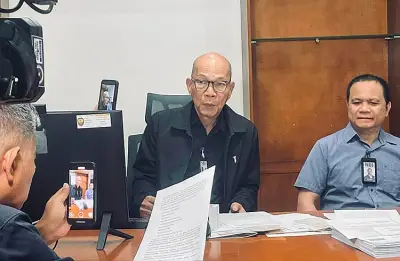
Quezon City Representative Bong Suntay has ignited a firestorm of controversy following his remarks during a House justice committee deliberation on the impeachment complaint against Vice President Sara Duterte. In a startling analogy, Suntay referenced actress Anne Curtis to argue that the vice president's admission of fantasizing about decapitating the President did not constitute an impeachable offense.
"I Imagined Something": Suntay's Controversial Statement
"Alam mo, minsan, nasa Shangri-la ako, nakita ko si Anne Curtis, ang ganda-ganda pala niya. You know, may desire sa loob ko na nag-init talaga. Na-imagine ko na lang kung ano ang pwedeng mangyari. Pero syempre, hanggang imagination na lang 'yon. Hindi naman siguro ako pwedeng kasuhan dahil kung anu-ano 'yong na-imagine ko," Suntay stated during the proceedings.
The committee immediately moved to strike his statement from the official record, but Suntay remained defiant. "There is nothing sexual in what I said. Nothing immoral. I just said I imagined something. I think there is nothing wrong," he insisted, arguing that he could not be censured for something neither illegal nor immoral.

Backlash and Calls for Accountability
The backlash was swift and severe. San Beda University alumni demanded the revocation of the Distinguished Alumnus award recently bestowed upon Suntay, citing his "startlingly sickening statements." Following public pressure, Suntay issued an apology to Anne Curtis but maintained that his remarks were not malicious and should be considered a compliment.
Critics have condemned Suntay's defense as fundamentally flawed. While imagining something may not be illegal, publicly articulating those thoughts crosses a significant boundary. "He did not simply imagine. He told everyone what he imagined," noted one commentator, highlighting the distinction between private thoughts and public discourse.
The Moral and Ethical Implications
Suntay's reliance on legal technicalities has been widely criticized as setting an unacceptably low standard for public conduct. "Not everything legal is moral," observers pointed out, emphasizing that reducing a woman to an object of amusement constitutes immoral behavior regardless of legal definitions.
By insisting his comments were not immoral, Suntay inadvertently revealed his own questionable moral standards. The incident underscores that intent does not negate impact; offensive words demand accountability regardless of their intended meaning.
A Pattern of Misogyny Exposed
Analysts suggest Suntay's remarks reflect deeper issues of misogyny and gender-based violence disguised as humor. There were no extenuating circumstances—no emotional distress, substance influence, or health issues—to justify his poor judgment. "Suntay said what he said because that is who he is," one critic asserted, labeling his behavior as sexual harassment normalized through comedy.
This incident serves as a critical reminder to constituents about the character of their elected officials. As the political fallout continues, the episode highlights the urgent need for higher ethical standards in public discourse and the consequences of failing to meet them.