As the final days of 2025 unfold, the national conversation in the Philippines is dominated by loud headlines. A record-breaking national budget, unrelenting traffic gridlock, and fresh political scandals compete for public attention. Yet, beneath this noisy surface, the genuine aspirations of ordinary Filipinos for the coming year are far more subdued, simple, and profoundly honest.
Voices from the Halls of Power and Beyond
In a ceremonial speech, the President expressed hope for 2026, stating it should be the year to prove that good governance is more than just a slogan. This declaration came just after signing the expansive new national budget.
Reflecting on the nation's journey, a former president shared a wish for the country to remember its history, heal its divisions, and embrace truth—a sentiment felt as both a reminder and a heartfelt plea.

From within the political arena, a legislator entangled in controversy half-jokingly wished for second chances and a fresh start, subtly referencing places without stringent legal treaties.
Everyday Dreams from the Ground
Away from the spotlight, the hopes become intimately tied to daily survival and dignity. A fisherman in the West Philippine Sea, whose daily struggle involves man-made obstacles more than natural storms, whispered a simple desire: to fish in peace, with only waves hitting his boat.
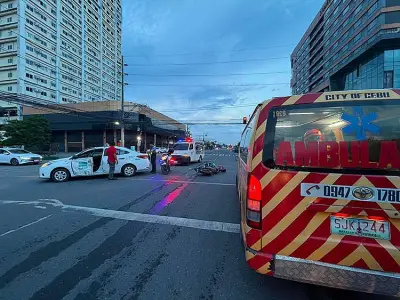
In urban centers, a TNVS driver stuck in Quezon City traffic wished for better roads, fair regulations, and a little gratitude from passengers. A commuter on a crawling EDSA bus quietly hoped just to get home before their children fell asleep.
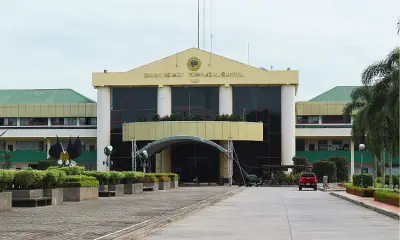
Those in uniform voiced hopes for profound change. A new Philippine Military Academy graduate, a 2nd Lieutenant, aspired for a peace won through dignity and dialogue, not just force. A weary policeman in Caloocan longed for a badge that earns respect by protecting the vulnerable, not through fear.
Hopes for Systems That Work
The calls for functional systems resonated strongly. In Baseco, a public school teacher sighed, wishing for more classrooms and less bureaucratic paperwork, craving more time to actually teach.
A municipal doctor in Samar, still on duty after a recent typhoon, prayed for a health system that wouldn't collapse with every new storm. A student in a Sampaloc dorm room typed out a hope for a country where corruption does not block dreams.
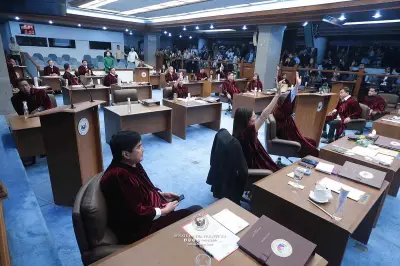
Even within political circles, wishes clashed. A scion of a political dynasty frankly hoped efforts to ban such dynasties would fail, framing politics as a family tradition. In contrast, a party-list advocate wished for Congress to finally purge fake party lists that serve no public interest.
These collected voices reveal a powerful truth: behind every complaint lies a seed of hope, and within every frustration is a longing for improvement. As the Philippines steps into 2026, these quiet, everyday wishes from its people—those who work, wait, and persistently believe—are the true foundations upon which a nation is built, far more than any ceremony or political slogan.