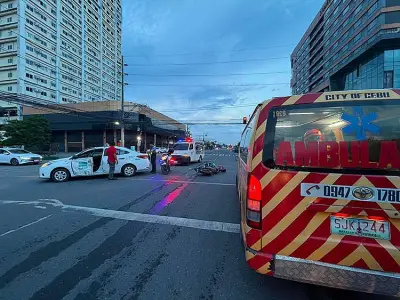

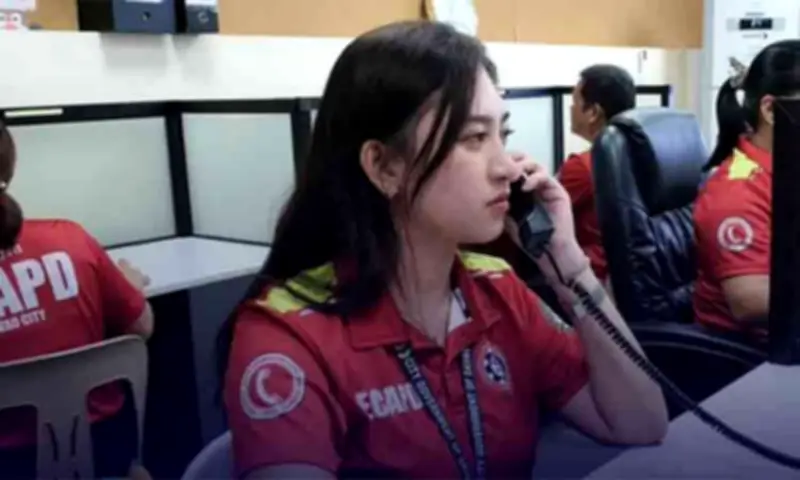
Davao City Central 911 is asking residents to be patient when calling the emergency hotline as the city prepares to launch a new emergency response app designed to address delays caused by misrouted calls under the country's centralized 911 system.
Misrouted calls under national 911 system
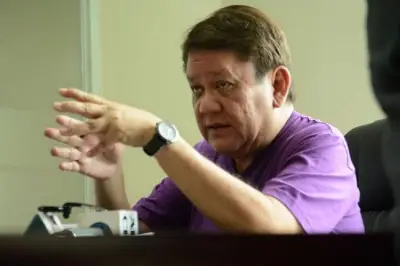
Lyndon Leovic Ancajas, acting head of the Central 911 Division under the City Disaster Risk Reduction and Management Office (CDRRMO), said some emergency calls intended for Davao City are being routed to other areas because of the nationwide open 911 hotline system. He noted that the issue has occurred multiple times since the centralized emergency hotline was implemented.
To minimize delays, Ancajas said Central 911 has coordinated with emergency response offices nationwide so that calls mistakenly routed outside Davao City can be transferred back immediately for proper response. The office has also trained its emergency call takers to use more adaptive call scripts, conduct shorter interviews to gather essential information faster, and strengthen coordination with other emergency response centers.

Call for patience and prank call penalties
"Pahimangno pod sa atoang mga Dabawenyos na please bear with us kay dili namo control asa maabot ang call pero but pag once maabot sa amoa we would act on this as fast as we can (We remind our fellow Dabawenyos to please bear with us because we cannot control where your call is initially routed. But once it reaches us, we will respond as quickly as possible)," Ancajas said during the ISpeak Media Forum on July 2 at the City Mayor's Office.
Ancajas also said Central 911 continues to receive prank calls, but currently has no way to identify the callers because only telecommunications companies have access to SIM registration records. The office is working with the office of Councilor Luna Acosta to draft legislation that would impose penalties on prank callers.
New technology: Seral-Cared system and mobile app
Ancajas said the upcoming Central 911 mapping system and mobile application are expected to reduce misrouted calls and speed up emergency response by allowing responders to immediately see the caller's exact location. The application is already completed, but the supporting infrastructure is still being developed. The city hopes to launch the technology before the end of 2026.
The development follows the approval by the 21st City Council of the Davao Smart Emergency Response and Locator–Computer-Aided Response and Emergency Dispatch (Seral-Cared) system, which aims to modernize the city's emergency response operations. The Seral-Cared system will provide a GPS-enabled, geospatially integrated platform for faster dispatch and more accurate caller location tracking. The CDRRMO, in coordination with the City Information Technology Center and other city departments, will oversee its implementation.
Features and funding
The system will include GPS-based caller location tracking, geospatial mapping, a barangay geo-tagging registry, a mobile emergency application, responder GPS tracking, and data privacy safeguards compliant with the Data Privacy Act of 2012. Funding for the project will come from the CDRRMO's allocated budget and other available national government sources, subject to existing budgeting, accounting, and auditing rules.