Three students died in a Tacloban City classroom on June 22, 2026, prompting a sweeping security overhaul across Metro Cebu schools. Local governments have directed police and school administrators to implement robust protocols including non-contact bag inspections, increased police patrols, metal detectors, and biometric registration.
Heightened Police Presence and Access Control
Lt. Col. Franco Rodulf Oriol, deputy director for administration of the Cebu City Police Office (CCPO), said they have intensified deployment around campuses. Police Assistance Desks remain active, now supplemented by the Mobile Patrol Unit, Tactical Motorcycle Riding Unit, barangay tanods, and the Cebu City Transportation Office. “Because of the incident, we are intensifying our deployment. Aside from Police Assistance Desks, we are adding mobile patrol and motorcycle patrol units, with help from barangay officials and the CCTO to manage traffic,” Oriol stated.
The CCPO is reviewing security gaps including access control and campuses without guards. Its Intelligence Unit is assessing vulnerabilities to prevent prohibited items like bladed weapons from entering school grounds.

Local Government Directives
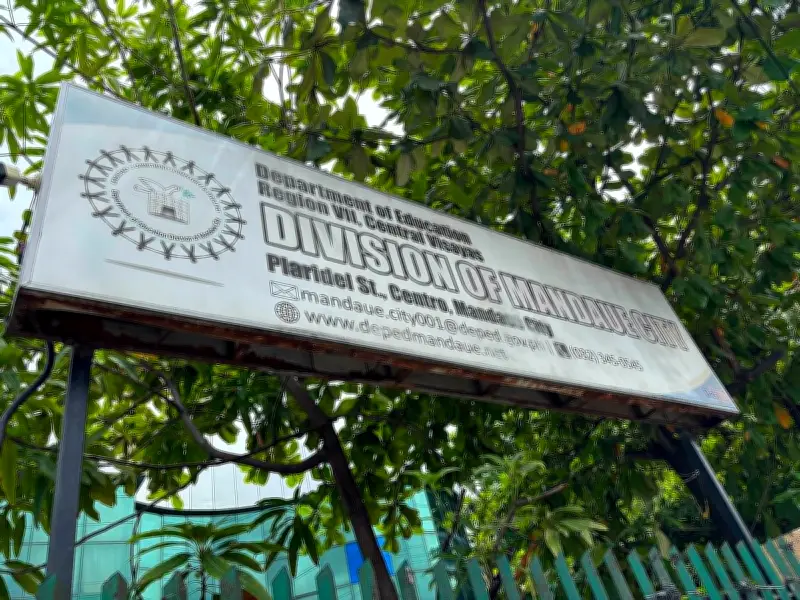
Cebu City Mayor Nestor Archival instructed police station commanders to strengthen operations and increase visibility in student-frequented areas. The city plans to integrate school emergency protocols with the police’s five-minute response policy. Mandaue City is implementing DepEd Order 6, series of 2026, which mandates non-contact entrance inspections using metal detectors and visual bag checks. Marinel D. Oro, legal officer and spokesperson of the DepEd Schools Division of Mandaue City, emphasized that physical searches are only allowed with legitimate reason. DepEd Mandaue is also reinforcing anti-bullying programs and orienting schools on revised Anti-Bullying Act rules, reminding that campuses must remain “Zones of Peace.”
Lapu-Lapu City Mayor Ma. Cynthia King-Chan has directed adoption of technology-driven security: vehicle pass mechanisms, mandatory car checks, and biometric registration for students, teachers, and administrative personnel.
Budget Strains on Public Schools
The financial burden falls largely on individual schools. Mandaue City’s compliance strategy highlights that each public school must maintain at least one security guard during hours, funded from the Maintenance and Other Operating Expenses budget. This may divert funds from instructional materials, classroom repairs, and supplies, forcing difficult choices for smaller schools.
Digital Monitoring and Privacy Concerns
Authorities are also focusing on online behavior. Vice President Sara Duterte said the tragedy highlighted the need for stronger intelligence gathering and early identification of threats involving youth. Philippine National Police Chief Gen. Jose Melencio Nartatez Jr. called on parents and teachers to monitor minors’ online activities, calling parents the first line of defense. Cebu City’s Oplan Pakigsandurot expansion into schools aims to strengthen dialogue among police, teachers, parents, and students. However, increased monitoring raises concerns about trust between educators and learners.
Balancing Security and School Atmosphere
DepEd policy mandates schools as Zones of Peace, free from violence and weapons. Yet the introduction of metal detectors, bag inspections, and police presence may affect the campus atmosphere. As Metro Cebu implements these measures, the long-term challenge is ensuring that security efforts do not weaken the trust, openness, and sense of safety that schools are meant to provide.