Davao City Achieves Significant Growth in Fish Production for 2025
The Davao City Agriculturist Office (CAgrO) Fishery Resources Management Division has announced a notable achievement in the city's aquaculture sector. According to their latest report, Davao City produced a total of 3,123.24 metric tons of fish in 2025, marking a substantial increase from the previous year's output.
Breakdown of Production Figures and Key Species
During a media conference held last week, Fishery Resources Management Division Head Aimee C. Evora provided detailed insights into the production data. Based on comprehensive monitoring conducted throughout 2025, the division recorded the following yields:
- 63.9 metric tons of tilapia
- 916.34 metric tons of hito (catfish)
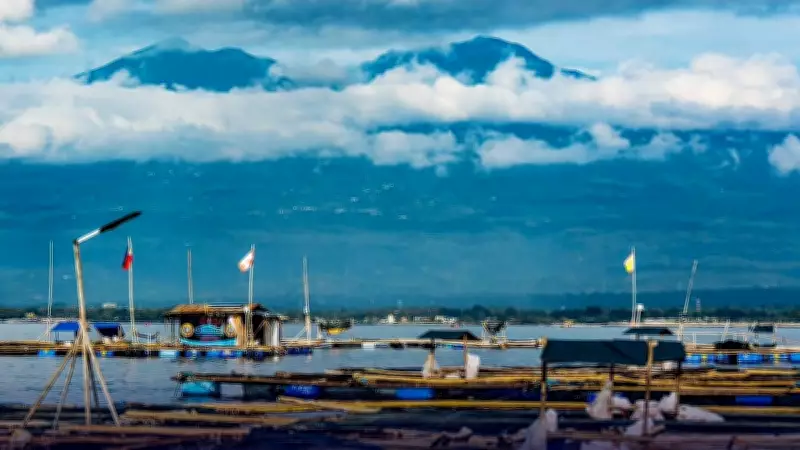
- 2,143 metric tons of fish from fish cages located in the Punta Dumalag mariculture area
Evora emphasized that "compared with 2024, our production increased significantly, especially in tilapia production." This growth highlights the effectiveness of recent initiatives aimed at enhancing the city's fishery resources.

Support Programs and Technical Assistance for Fish Farmers
To bolster aquaculture activities, the CAgrO implemented several support measures in 2025. These included:
- Distribution of 562,000 pieces of fingerlings to upland aquaculture areas
- Provision of 50,000 hito fingerlings to local fish farmers
- Ongoing technical assistance programs designed to help fish farmers increase their production capacity and adopt sustainable practices
Evora also highlighted the successful establishment of Project Lawa, a collaborative effort with the Department of Social Welfare and Development (DSWD) and the Bureau of Fisheries and Aquatic Resources (BFAR). She noted that this partnership "helped increase fish production in Davao City" by providing additional resources and expertise to the local aquaculture community.
Current Supply Situation and Future Expansion Plans
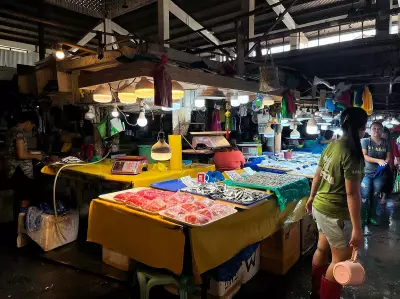
Despite the positive production figures, Evora acknowledged that the total volume of fish produced in Davao City is not yet sufficient to fully supply all residents. However, she clarified that there is currently no shortage, as nearby local government units (LGUs) help fill the gap through regional cooperation and trade.
Looking ahead, the CAgrO is actively supporting efforts to secure higher and more sustainable fish production. One key initiative involves backing a proposed ordinance to declare additional mariculture parks in strategic locations within Davao City. The proposed sites include Lasang and Punta Dumalag, which are expected to further enhance the city's aquaculture capacity and contribute to long-term food security goals.
This comprehensive approach—combining immediate support for farmers with strategic planning for future expansion—demonstrates Davao City's commitment to strengthening its fishery sector and ensuring a reliable supply of fish for its growing population.