New Senate Resolution Demands Comprehensive Review of Philippine Sugar Sector
In a significant development for the agricultural sector, another resolution seeking a Senate inquiry into the state of the Philippine sugar industry has been formally filed. Senator Risa Hontiveros introduced Senate Resolution No. 298 on Wednesday, February 11, 2026, calling for an urgent review of key sugar laws and regulatory policies. This move comes amid growing concerns about the industry's declining competitiveness and persistently high prices that burden both producers and consumers.
Building Momentum for Agricultural Reform
Hontiveros' resolution follows an earlier measure introduced by Senator Francis Pangilinan, creating substantial momentum within the Senate chamber to reassess the direction of the vital sugar sector. The resolution specifically directs the Senate Committee on Agriculture, Food, and Agrarian Reforms to conduct a comprehensive inquiry, in aid of legislation, into the implementation of the Sugar Industry Development Act (SIDA). Additionally, it mandates a thorough review of the charter and regulations governing the Sugar Regulatory Administration (SRA), the primary agency overseeing sugar industry policies.
The Economic Significance of Sugar Production
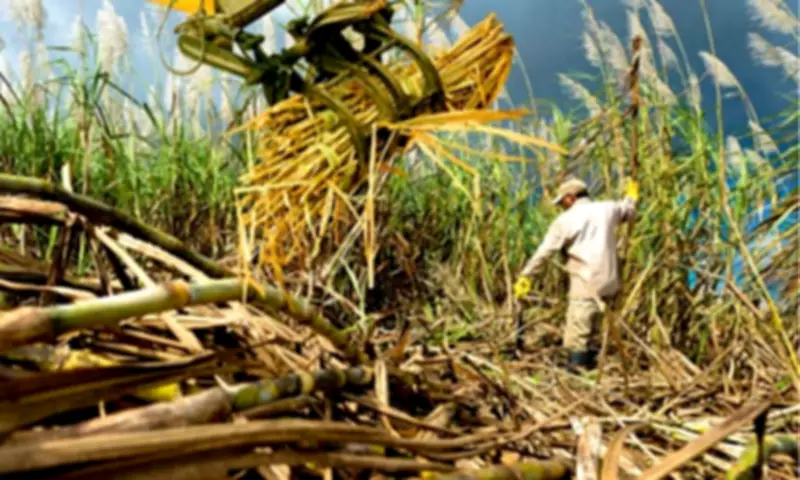
The resolution highlights the critical economic importance of the sugar industry, which directly employs approximately 700,000 workers across the Philippines. Furthermore, the sector contributes an estimated PHP76 billion to PHP90 billion annually to the national economy, while five to six million Filipinos depend indirectly on sugar-related activities for their livelihoods. Despite this substantial economic footprint, Hontiveros emphasized that the sector continues to face multiple challenges that threaten its sustainability and competitiveness.

Persistent Challenges Facing Sugar Producers
According to the resolution, the Philippine sugar industry suffers from several structural problems including low farm productivity, escalating production costs, and inefficient milling operations. Hontiveros noted in a news release that "the laws were meant to strengthen the sugar industry and improve the incomes of farmers and workers. But today, our sugar remains expensive, our mills lag behind, and our farmers are struggling to compete." This statement underscores the growing frustration with current regulatory frameworks that appear insufficient to address industry challenges.
Production Deficits and Price Disparities
The resolution presents concerning data about production and pricing dynamics. While local sugar production reached a four-year high in 2025, it met only 87 percent of domestic demand, creating a significant supply gap. Moreover, Philippine refined sugar remains substantially more expensive compared to major global producers such as Brazil, Thailand, and Colombia. This price disparity places domestic producers at a competitive disadvantage in both local and international markets.
Multiple Factors Affecting Industry Performance
Beyond structural inefficiencies, the resolution identifies several additional factors contributing to the industry's struggles:
- The combined effects of pest infestations damaging crops
- Significant damage caused by Tropical Storm Tino
- The substantial fall in world sugar prices during late 2025
- Growing importation of sugar substitutes affecting market dynamics
The measure also points to concerning reports from the SRA regarding alleged misdeclaration of refined sugar entering the country as "Other Sugars (1702)." This practice could potentially result in substantial government revenue losses while simultaneously weakening demand for locally produced sugar.

Consumer Impact and Regulatory Concerns
Hontiveros emphasized that retail sugar prices have remained elevated despite authorized importation programs and the decline in global prices during the last quarter of 2025. She stated, "Ang ating mga magsasaka ay namomroblema sa tumataas na cost pero mababa ang productivity. Habang patuloy namang nagdurusa ang mga konsyumer sa mataas na presyo ng asukal (Our farmers are burdened by rising costs but low productivity, while consumers continue to suffer from high sugar prices). The system is failing both farmers and consumers." This dual burden highlights the need for comprehensive policy reform.
Reviewing Existing Support Mechanisms
The resolution further underscores that SIDA, enacted in 2015, provides PHP2 billion annually since 2016 for various support programs including productivity enhancement, infrastructure development, research and development of sugar by-products, human resource development, and financial assistance to small farmers. The inquiry will examine whether these funds have been effectively utilized and whether current programs adequately address the industry's most pressing challenges.
This latest Senate initiative represents a crucial step toward addressing the complex issues facing the Philippine sugar industry, with potential implications for agricultural policy, economic development, and consumer welfare across the nation.