

The Unresolved Conflict and Its Economic Ripple Effects
The signals from the ongoing war involving the United States, Israel, and Iran remain decidedly mixed. There is still no clear direction on how this conflict will ultimately conclude or when a resolution might be achieved. Amidst this pervasive uncertainty, however, an immediate and pressing concern is already crystallizing for regions like Cebu. When the hostilities eventually cease, will consumer prices experience a meaningful decline, or will the public once again be informed that reductions are simply not feasible?
A Familiar Pattern of Price Volatility
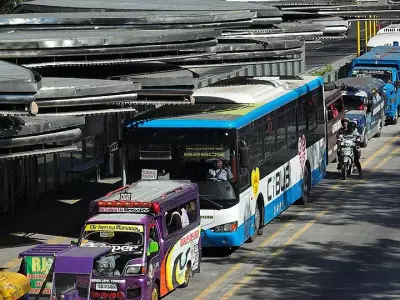
In recent days, a noticeable increase in vehicle traffic has returned to the streets of Cebu. This resurgence follows a period just over a week ago when fuel prices soared past the significant threshold of P100 per liter, prompting many motorists to drastically curtail their travel. The subsequent decrease in gasoline and diesel costs observed last week is being cautiously interpreted by some as an indicator of improving or at least stabilizing conditions.
Yet, this is a pattern all too familiar to consumers. Historical precedent shows that prices can skyrocket almost overnight in response to local disturbances or global shocks, often adjusting preemptively before any tangible supply issues materialize. Conversely, when a crisis abates, any reversal in pricing tends to be agonizingly slow, frustratingly partial, or entirely absent. The common lament echoes loudly: prices ascend with alarming speed but descend with reluctant, minimal increments.

Cebu's Vulnerability to Global Strife
The conflict that ignited on February 28, 2026, with US and Israeli airstrikes on Iran, has starkly underscored the profound vulnerability of local economies like Cebu's to distant geopolitical turmoil. The war triggered immediate spikes in fuel prices, which in turn inflated the cost of nearly every other commodity and service. The impact in Cebu was both instantaneous and highly visible.
When fuel costs increased, a domino effect ensued. Elevated delivery expenses were swiftly passed on to consumers through higher prices for food and essential goods. Critically, once businesses implement these increases, citing justified higher operational costs, such elevated price points demonstrate a stubborn tendency to persist indefinitely.
The Core Risk: Permanent Price Inflation
This persistence constitutes the genuine peril at hand. The risk extends beyond enduring high prices during the active conflict to the ominous normalization of these inflated prices in the war's aftermath. It may appear premature, even optimistic, to discuss potential price rollbacks while the conflict itself remains unresolved. However, if society waits until the fighting conclusively ends to address this issue, the higher prices will have already become deeply entrenched, rationalized and accepted as the unavoidable "new normal."
When peace eventually arrives, critical questions demand answers. Who will assume responsibility for ensuring prices revert to pre-war levels? Will fuel corporations roll back their increases with the same alacrity with which they imposed them? Will food prices be systematically lowered, or will consumers encounter explanations that prevailing costs must remain unchanged due to sustained market pressures?
The Imperative for Government Vigilance
There will invariably be a litany of reasons presented to justify maintaining current elevated prices. The public will hear about ongoing operational costs, residual supply chain disruptions, and the necessity for financial buffers. While some of these arguments may hold validity, they also risk becoming convenient excuses to preserve expanded profit margins.
This is precisely where decisive government action becomes indispensable. Price monitoring initiatives must not conclude when the immediate situation appears to stabilize; they must, in fact, intensify. Cebuano consumers are entitled to far greater transparency in pricing mechanisms, including clear, factual explanations for why prices escalate and, just as importantly, why they fail to decrease when underlying pressures ease.

The most enduring consequence of this conflict may not be the immediate price hikes we are witnessing today, but rather a permanently elevated cost of living that proves impossible to reverse, embedding long-term financial strain into the fabric of the local economy.