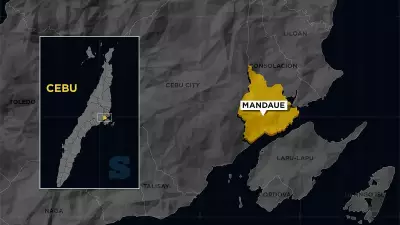


Air quality in several areas of Metro Cebu deteriorated to unhealthy levels for sensitive groups on Friday, April 17, 2026, coinciding with noticeable haze observed across multiple locations. This concerning development was documented by the Environmental Management Bureau in Central Visayas (EMB-7) through its official monitoring systems.
Monitoring Data Reveals Critical Threshold Breach
According to real-time data from the EMB-7 Facebook page, the Air Quality Index (AQI) for fine particulate matter (PM2.5) reached 101 at the monitoring station located within the Talisay City Hall compound at 8:00 AM on Friday. This measurement surpasses the critical 100 AQI threshold that classifies air as unhealthy for vulnerable populations, including individuals with pre-existing respiratory or cardiovascular conditions.
Understanding the Particulate Matter Classification
The same monitoring station simultaneously recorded PM10 (coarse particles) at a level of 72, which remains classified as fair under standard air quality guidelines. EMB-7 spokesperson Cindylyn Pepito provided crucial context regarding these measurements, explaining that AQI values between 51 and 100 are considered fair, while anything exceeding 100 enters unhealthy territory.

PM10 particles, measuring 10 micrometers or smaller, are typically filtered by the nose and throat but can still cause respiratory irritation. PM2.5 particles present significantly greater health risks due to their finer size of 2.5 micrometers or less, enabling them to penetrate deep into lung tissue and even enter the bloodstream. Chronic exposure to elevated PM2.5 levels has been scientifically linked to increased incidence of asthma, heart disease, and lung cancer.
Investigating the Haze Origins
EMB-7 continues to investigate the precise causes of the haze phenomenon, though preliminary analysis points to local pollution sources as primary contributors. "It's not necessarily about volume, but rather the cumulative effect of all activities in the area that produce emissions," clarified Pepito during her assessment.
Vehicle exhaust emissions and road dust have been specifically identified as probable factors in the air quality degradation. Additionally, current weather conditions appear to be exacerbating the situation, with elevated temperatures and dry conditions facilitating easier dispersion of particulate matter through the atmosphere.
Weather Patterns and Air Quality Interaction
Pagasa Visayas weather specialist Mark Gales reported that temperatures in Cebu have ranged from 31.2 to 31.8 degrees Celsius since Monday, April 13, with heat index values reaching 34 to 36 degrees Celsius. These warm, dry conditions create an environment where airborne particles remain suspended longer and travel farther distances.
EMB-7 is currently analyzing wind direction patterns to determine whether pollutants are being transported toward the monitoring station from other areas. This comprehensive investigation aims to identify both immediate and contributing factors to the air quality decline, with findings expected to inform future environmental management strategies for the Metro Cebu region.