
As World Banana Day approaches, the humble banana emerges as far more than a global staple fruit. Across Southeast Asia, this versatile crop is being transformed into a powerful instrument for innovation, empowerment, and environmental stewardship. The cultural and developmental significance of bananas extends far beyond simple nutrition, serving as a catalyst for social transformation and ecological preservation.
From Wartime Innovation to Modern Empowerment
The Philippines has long recognized the banana's symbolic importance, famously exemplified by Maria Orosa's wartime invention of banana ketchup during periods of scarcity. This spirit of resilience and resourcefulness continues today as global banana production is projected to reach 166 million tons by 2034. However, growing threats from climate change, crop diseases, and land conversion present significant challenges to this vital agricultural sector.
Philippine initiatives like the Barangay Calube Farmers Multipurpose Cooperative demonstrate how communities are responding to these challenges by transforming banana harvests into value-added products such as flour and chips. This innovative approach creates economic opportunities while addressing food security concerns in a changing climate.

The Ghimbe Pramunan Customary Forest: Women at the Forefront
In Indonesia's Penyandingan Village on Sumatra, the banana's significance extends even deeper into community life and environmental protection. Here, the Ghimbe Pramunan Customary Forest spans 43.7 hectares of protected land rich in rivers, waterfalls, and indigenous trees including benzoin, medang, and coffee, along with valuable resources like rattan, bamboo, and wild bananas.
Conservation efforts in this vital ecosystem are largely driven by women, with Anita Tasriah (46) of Penyandingan Village emerging as a pivotal figure. As Chairperson of the Anak Belai Women's Social Forestry Business Group and secretary of the Ghimbe Pramunan Customary Forest Management Institution, Anita actively organizes local women to safeguard the forest while linking traditional indigenous knowledge with collective female action for environmental sustainability.
Traditional Systems Meet Modern Challenges
The forest's preservation is upheld by the Semende customary system of tunggu tubang, which entrusts the eldest child with protecting inherited family wealth and preventing over-exploitation. "This forest has been guarded by our ancestors since long ago. There are boundaries, there are rules. It must not be damaged," emphasizes Anita Tasriah.
This traditional wisdom has become increasingly important as illegal logging has encroached on customary lands around Penyandingan Village, leading to environmental issues including landslides and fallen trees during rainy seasons. In response, the LPHA Ghimbe Pramunan was formed as a pillar for sustainable forest management, comprising 39 members organized into two business groups focused on women's leadership and general resource management.
From Forest Monitoring to Economic Innovation
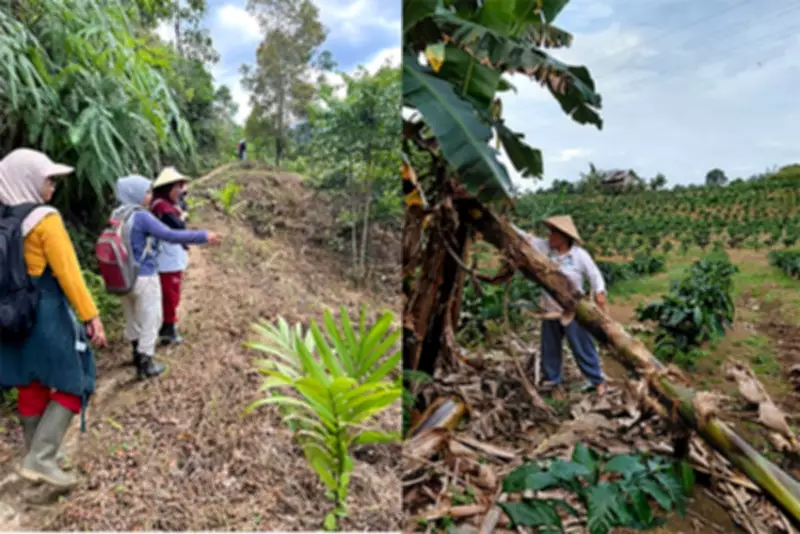
Women play a crucial role in forest monitoring activities, documenting physical changes to trails and assessing the availability of bamboo, rattan, and banana plants. "When heavy rain falls, and the river suddenly turns murky, it is a sign that there is trouble upstream. Usually, the women are the first to notice," explains Anita Tasriah.
Findings from these monitoring activities are discussed in monthly meetings to guide preventative actions and enforce customary sanctions, which have been strengthened following formal recognition by the Indonesian Ministry of Environment and Forestry. This includes strict penalties for illegal tree falling that threaten the delicate ecosystem.
Transforming Traditional Skills into Sustainable Businesses
In 2023, forest protection expanded into economic endeavor through the formation of the KUPS Perempuan Anak Belai, consisting primarily of 24 housewives and 10 elderly women skilled in food processing and bamboo weaving. Under LPHA guidance, bananas were selected as a key agroforestry commodity and integrated into conservation plots as a sustainable income source that doesn't harm the forest.

"Initially, we made banana chips only for our own needs or to serve village guests. The process was very simple, using traditional knives we call kuduk," recalls Anita Tasriah. Early production was basic and informal, lacking standardized packaging and proper processing techniques until the birth of the Love Bana brand marked a significant shift.
Community-Led Development with Lasting Impact
With support from PINUS South Sumatra, a civil society organization focused on community-based natural resource management, product quality and production efficiency improved while preserving traditional tools such as the kuduk and anak belati as part of cultural identity. "We do not just help residents make a finished product; we accompany the process so that women gain confidence, hold positions in decision-making, and ensure their businesses are sustainable," explains Yunita Sari of PINUS South Sumatra.
The economic benefits are already substantial, with KUPS Anak Belai recording a four percent increase in local community income while providing supplementary earnings for 24 women involved in production, packaging, and marketing. Simultaneously, the group has planted approximately 100 banana trees across a one-hectare agroforestry plot, supporting both environmental restoration and sustainable raw material sourcing.
National Recognition and Global Implications
Beyond local impacts, Anita Tasriah has emerged as a recognized voice in environmental and community development forums, including the 2025 International Regional Science Association Conference and national workshops following COP 30 in Belém, Brazil. Her message resonates across borders: "I want to see more village women become confident, earn an income, and remain active guardians of the forest. If the forest is destroyed, we lose everything."
Indonesia's community-led models demonstrate how the humble banana can become a powerful engine for food security, women's empowerment, and environmental stewardship across Southeast Asia. These initiatives showcase a restorative economy approach that generates real impact on community welfare while protecting vital ecosystems for future generations.