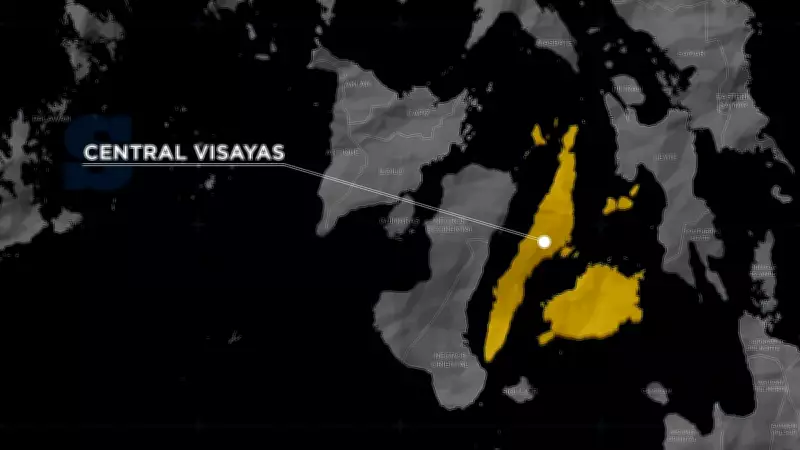
Central Visayas Inflation Surges to 7.4% in March 2026, Driven by Food and Transport Hikes
Central Visayas has solidified its position as the Philippines' inflation hotspot, with prices accelerating to 7.4 percent in March 2026, up from six percent in February. This sharp increase is primarily fueled by significant rises in food and transport costs, highlighting ongoing economic pressures in the region.
Regional Price Increases Across Key Sectors
Food and non-alcoholic beverages in Central Visayas rose to 10.1 percent from 9.3 percent, while transport recorded a dramatic turnaround to 8.2 percent growth from a -1.7 percent decline the previous month. Other notable increases included:
- Furnishings and household maintenance at 6.7 percent (from 5.6 percent)
- Alcohol and tobacco at 5.7 percent (from 5.3 percent)
- Housing and utilities at 4.2 percent (from 4.1 percent)
- Clothing and footwear at 3.5 percent (from 2.9 percent)
- Health at 3.4 percent (from 3.1 percent)
- Personal care at 3.2 percent (from 3.1 percent)
Meanwhile, several sectors remained steady, with restaurants and accommodation services at 9.7 percent, recreation at 4 percent, education at 2.6 percent, and information and communication at 0.9 percent.

National Inflation Trends and Broader Pressures
National inflation also accelerated to 4.1 percent in March from 2.4 percent in February, bringing the first-quarter average to 2.8 percent. This increase was largely driven by a rebound in transport costs, which rose to 9.9 percent, alongside faster growth in food prices at 3 percent. Food inflation specifically increased to 2.8 percent, driven by higher rice prices, while core inflation—which excludes volatile food and energy items—edged up to 3.2 percent, signaling broader price pressures across the economy.
Across regions, inflation trends were upward, with Metro Manila at 3.6 percent and areas outside the capital at 4.2 percent, indicating a widespread economic challenge.
Business Leaders Warn of Fuel and Logistics Strain
A business leader has issued a stark warning that rising fuel and logistics costs are exacerbating inflationary pressures at the local level. Barbara "Bambi" Gothong-Tan, president of the Mandaue Chamber of Commerce and Industry, noted that Mandaue City's inflation rate reached five percent, slightly above the national average, reflecting sustained increases in the cost of goods and services.
"A key driver of this trend is the increase in fuel costs, largely influenced by ongoing geopolitical tensions in the Middle East, which have disrupted global supply chains and the movement of goods," she explained. Gothong-Tan added that logistics costs have surged by as much as 70 percent, straining both businesses and consumers and weakening supply chain connectivity.
"This affects not only affordability but also timely access to essential goods," she said, emphasizing the need for the government to explore fuel stabilization measures through regulatory adjustments. Stabilizing fuel prices would help ensure the efficient flow of goods, support business continuity, and protect the broader economy from further strain.
Government Response and Mitigation Efforts
The Department of Economy, Planning and Development is implementing strategic, targeted, and time-bound interventions to mitigate the impact of the Middle East conflict on households and key sectors, particularly fuel. Secretary Arsenio Balisacan cited the issuance and operationalization of Executive Order 110, or the Unified Package for Livelihoods, Industry, Food and Transport Committee, which aims to identify strategic measures.
To stabilize domestic fuel supply and ease transport costs, the government activated the emergency fuel procurement program, securing 165.6 million liters of diesel for delivery through April. Toll rebates for public utility vehicles and cargo trucks are also being rolled out on major expressways.
The government has strengthened anti-hoarding guidelines to prevent artificial fuel shortages and ensure orderly distribution, while providing targeted assistance to vulnerable sectors, including drivers, farmers, and fisherfolk, through service contracting, cash aid, and fuel subsidies.

"Our immediate priority is to ensure the safety of Filipinos abroad and to deploy timely and tangible solutions by providing critical support for the transport sector, commuters, and industries, while simultaneously diversifying the energy mix," Balisacan stated.