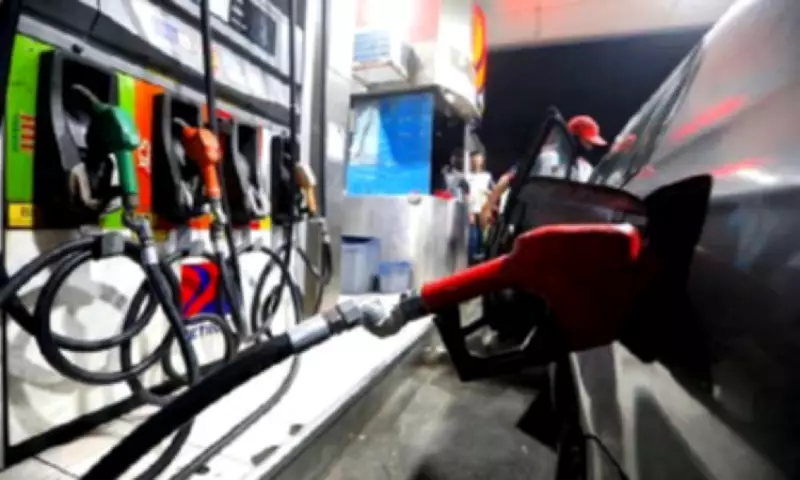
DOE Announces Significant Fuel Price Rollback Amid Long-Term Concerns
The Department of Energy (DOE) has projected a substantial reduction in fuel prices, set to take effect on Tuesday, April 14, 2026. In a recent Facebook announcement, Energy Secretary Sharon Garin revealed estimated decreases of P20.89 per liter for diesel, P4.43 per liter for gasoline, and P8.50 per liter for kerosene. These figures are based on a comparative analysis of international price averages over the past five days versus the previous week, providing consumers with much-needed relief at the pump.
Structural Damage from Conflicts Impacts Long-Term Fuel Prices
Despite the upcoming price rollback, Secretary Garin issued a cautionary note during a radio interview, highlighting that fuel prices in the Philippines are unlikely to revert to the previous level of P60 per liter for diesel. She attributed this to the structural damage inflicted on oil-related facilities during the conflict involving the United States, Israel, and Iran. Although tensions have de-escalated, the repair and reconstruction of these critical infrastructures will require considerable time, delaying a full recovery in pricing.
Garin elaborated, "If the war only lasted two weeks, prices would drop quickly. However, the structural damage has already been done. It will take a long time to fix the facilities. Prices may still decrease, but not as rapidly as they increased. We may no longer reach the former benchmark of P60 per liter for diesel here." This statement underscores the lingering economic impacts of global conflicts on local energy markets, suggesting that while immediate relief is on the horizon, long-term affordability remains uncertain.

Implications for Consumers and the Economy
The announced price rollback is expected to provide temporary financial respite for motorists and businesses reliant on fuel. However, Garin's warnings point to a broader issue: the vulnerability of fuel prices to international geopolitical events. As the DOE continues to monitor global oil trends, consumers are advised to prepare for potential fluctuations in the coming months, with prices potentially stabilizing at higher levels than in the past.
This development highlights the interconnected nature of global energy markets and the importance of strategic planning in the face of ongoing international tensions. The DOE's proactive communication aims to keep the public informed while managing expectations regarding future fuel cost trends.