In a significant legislative move, Manila 3rd District Representative Joel Chua has introduced a bill aimed at returning government authority to intervene during sharp fluctuations in global fuel prices. House Bill 8839, titled the "Fuel Price Stabilization and Energy Security Act," proposes a comprehensive framework to shield the Philippine economy from the adverse effects of volatile oil markets.
Key Provisions of the Bill
The bill seeks to establish a Fuel Regulatory Board, create a new Oil Price Stabilization Fund, and build a strategic fuel reserve. These measures are designed to provide the National Government with effective tools to manage fuel emergencies and stabilize domestic prices.
Reversing Deregulation
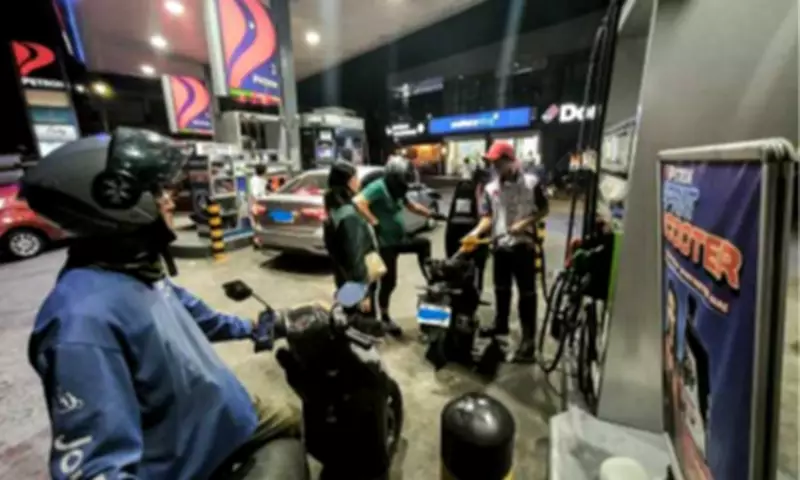
Representative Chua emphasized that HB 8839 effectively discards provisions of the Oil Deregulation Law of 1998. "This bill returns to the government the power to intervene when fuel prices and supplies are abnormal," he stated. The proposed policy shift aims to temper sudden spikes in gasoline and diesel prices before they impact fares, food costs, and household expenses.

Fuel Regulatory Board
The bill outlines the creation of a five-member Fuel Regulatory Board, which will include:
- A chairperson
- Two experts in energy economics, petroleum engineering, or energy policy
- One consumer sector representative
- One transport sector representative
This board will have the authority to regulate fuel prices, impose temporary price bands or ceilings, and investigate anti-competitive practices within the industry.
Oil Price Stabilization Fund
A central component of the measure is the Oil Price Stabilization Fund, intended to mitigate the immediate impact of global oil shocks on domestic pump prices. Chua explained, "If world oil prices suddenly surge and gasoline or diesel prices are projected to rise by P5 per liter, the government can use the fund to soften the blow, so motorists may only feel a smaller increase or no increase at all." He noted that such interventions would be temporary, ceasing once prices normalize.
Strategic Fuel Reserve
Additionally, the bill proposes the establishment of a strategic fuel reserve. The National Government would build this reserve when global oil prices are relatively low, allowing stockpiled fuel to be released during price surges or supply disruptions. The authority to release reserves would rest with the President, based on recommendations from the Fuel Regulatory Board, with the Commission on Audit overseeing transactions.
Broader Economic Impact
Chua highlighted that the practical effects of these interventions would extend beyond motorists to the wider economy, where fuel prices quickly influence fares, goods, and livelihoods. "The broader point of the bill is that the country should not remain hostage to external markets without a working emergency cushion and a government capable of acting decisively when volatility hits," he asserted.
A Shift in Policy
HB 8839 represents a clear departure from the decades-old Oil Deregulation Law, moving away from full deregulation toward a policy focused on consumer protection, economic stability, and energy security. This legislative effort underscores a proactive approach to safeguarding the Philippine economy from global market uncertainties.