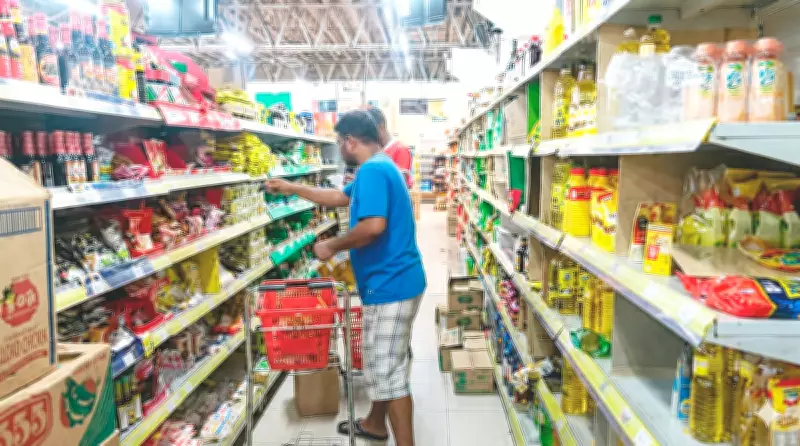
FMCG Industry Maintains Steady Growth Amid Economic Challenges
The fast-moving consumer goods (FMCG) sector in the Philippines is poised for a year of tempered yet resilient expansion, with projections indicating growth between three percent and four percent. This positive outlook comes despite a backdrop of slower domestic economic performance, highlighting the industry's adaptability and enduring consumer demand.
Key Drivers of Consumer Spending
According to insights from Worldpanel by Numerator in the Philippines, the FMCG industry is expected to grow by four percent this year, a slight moderation from the five percent growth recorded in the previous year. Laurice Obana, shopper insights director, shared these findings during a recent briefing in Makati City, expressing optimism about the sector's prospects.
Older shoppers, aged 55 and above, are emerging as a significant force in the market. This demographic, which currently represents approximately 16 percent of the population, is projected to expand to around 34 percent by 2055. With greater financial capacity, they are increasingly purchasing plant-based milk alternatives and health supplements, contributing to the growth of lifestyle-related products.

Overseas Filipino worker (OFW) households continue to be pivotal drivers of consumer spending. These households spend an average of 25 percent more than non-OFW households, moving beyond necessities to embrace cross-category product bundles and bulk-buying strategies.
Pet owners also play a crucial role, with about 67 percent of Filipino homes owning at least one pet. This trend not only boosts sales of pet-specific items but also benefits businesses offering pet-safe products like multi-purpose cleaners and air fresheners, creating a ripple effect across the FMCG landscape.
Evolving Retail Channels and Competitive Dynamics
The retail environment is undergoing significant transformation, with discounters—small groceries offering a wide range of products and private-label items—gaining popularity. Additionally, e-commerce platforms are becoming increasingly attractive to consumers seeking convenience and variety.
In response to this heightened competition, large supermarket chains are enhancing their accessibility and product offerings to retain and attract customers. Obana noted the rise of modern palengke setups, which provide a one-stop-shop experience for essentials, dining, and other services nationwide.
When questioned about whether discounters will become the preferred purchasing channel, Obana indicated that they represent a growing option but are still in an early stage of development in the Philippines. "In other countries, there's a bit of a peak already, but here, it's still in a very young, early stage, so I suppose it's going to grow," she explained, underscoring the potential for further expansion in this segment.
Overall, the FMCG industry's steady growth reflects a dynamic interplay of demographic shifts, evolving consumer preferences, and innovative retail strategies, positioning it for continued resilience in the coming year.