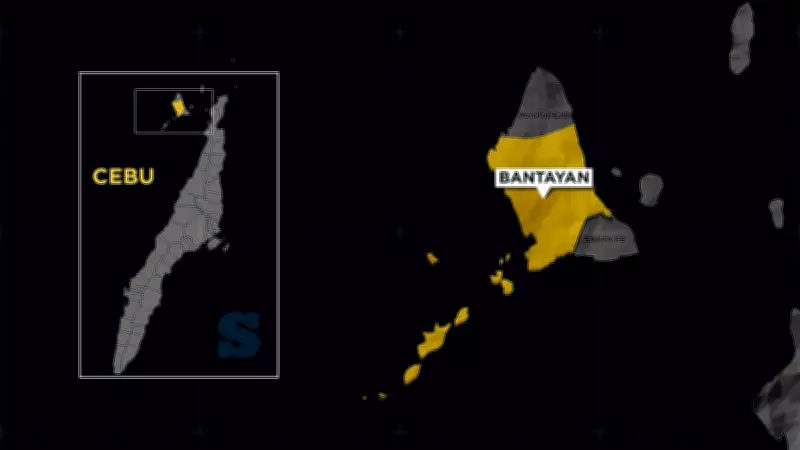
Bantayan Island Hoteliers Issue Urgent Warning on Escalating Online Booking Scams
Hoteliers and resort operators on Bantayan Island have raised a critical alarm regarding a significant surge in online booking scams, as the popular tourist destination prepares for the anticipated Holy Week influx of visitors. The warning comes amid ongoing recovery efforts from recent natural disasters that have impacted the local tourism sector.
Alarming Statistics and Recent Incidents
Nelson Yuvallos, president of the One Island Tourism Association (Oita), revealed that approximately 200 scam incidents have been documented since September 2025. This troubling trend compounds the challenges already faced by the industry following the magnitude 6.9 earthquake on September 30, 2025, and the subsequent typhoons Tino and Verbena in November of that year.
Yuvallos emphasized that another scam-related booking was reported as recently as February 9, 2026, just ahead of the peak travel period of Holy Week. He noted that victims are often deceived because the fraudulent rates offered fall within normal price ranges, unlike the typically inflated prices during peak seasons.

"This warning is meant to raise awareness, not to damage Bantayan Island's tourism image," Yuvallos clarified, addressing concerns about potential reputational harm.
Sophisticated Syndicate Operation Suspected
Santa Fe Councilor Jaypee Lao indicated that the volume and coordination of these incidents suggest the involvement of a large criminal syndicate utilizing multiple fake online accounts that meticulously imitate legitimate establishments. He cited a particularly concerning case involving Anika Island Resort, where the official Facebook page was temporarily taken down while a fraudulent page using the resort's name and photos accumulated approximately 50,000 likes and accepted online bookings.
Yuvallos added that the restored official page initially had fewer than 1,000 likes but has since grown to about 30,000, demonstrating the ongoing battle against digital impersonation.
Impact on Tourists and Industry Response
The scam typically results in guests arriving on the island without valid reservations despite having already made online payments. Yuvallos reported that some hotels have accommodated affected guests without additional charges for humanitarian reasons. At his own resort, he handled around 100 cases totaling approximately P500,000 in losses, assisting victims with police reports and offering discounted stays or complimentary meals.
Industry stakeholders remain divided on public disclosure strategies, with some fearing reputational damage while others advocate for public advisories to prevent further victimization. "If left unaddressed, this will affect guest retention and discourage future tourists," Yuvallos warned.
Modus Operandi and Previous Patterns
The fraudulent scheme mirrors earlier warnings from tourism authorities, where scammers create counterfeit Facebook pages posing as legitimate hotels or travel agencies. These pages copy authentic photos and logos while offering discounts not promoted by the actual establishments. Victims are then directed to make payments through personal e-wallets or bank accounts.
Lao explained the technical details: "They transact using dummy accounts, and tourists are given fake bank details. Because the accounts are invalid, deposits do not go through. Scammers then claim the system is under maintenance and provide a GCash account instead, where the scam takes place." Similar scams have previously been reported in other Cebu destinations, including hotels in Cebu City.
Investigative and Regulatory Measures
Yuvallos confirmed that Oita has coordinated with the National Bureau of Investigation (NBI) and the Philippine National Police's Anti-Cybercrime Group. NBI Central Visayas executive officer Wenceslao Galendez stated that no arrests have been made yet, and investigation details remain confidential to avoid compromising ongoing efforts.
Yuvallos has also sought assistance from the Department of Tourism (DOT) and Cebu's 4th District congressional office to elevate the issue. Tourism authorities have advised travelers to:

- Transact only with verified pages and official hotel websites
- Avoid payments to personal accounts
- Report suspected scams to the Anti-Cybercrime Unit or DOT–Central Visayas
Proposed Solutions and Industry Context
Councilor Lao noted that these scams have emerged while the tourism industry is still recovering from disaster-related infrastructure damage, including at Hagnaya Port. He plans to propose an ordinance banning e-wallet payments for hotels and resorts, observing that most scams involve mobile payment methods.
Yuvallos suggested that local government units publish verified lists of legitimate accommodation providers on official platforms. Before the earthquake, tourism in Bantayan was experiencing significant growth. Visitor numbers only began recovering in December 2025, with approximately 10,000 guests expected during Holy Week. Bantayan has around 200 accommodation establishments, though only 30 are Oita members.
Industry stakeholders emphasize that early public awareness is crucial to protecting both tourists and legitimate businesses from these sophisticated cybercrimes.