
Holy Week Travel Rush Engulfs Davao City Overland Transport Terminal
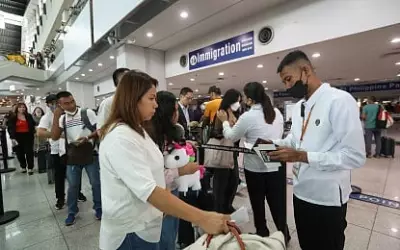
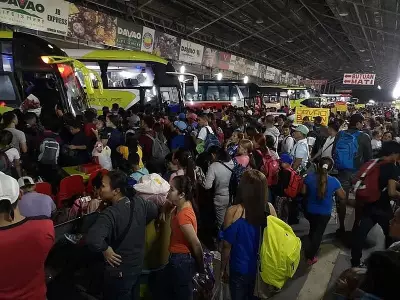
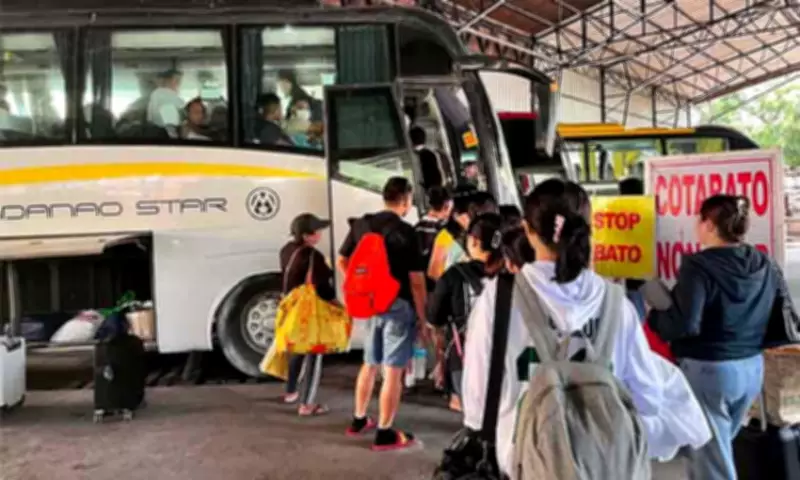
Passengers flooded the Davao City Overland Transport Terminal (Dcott) on Holy Wednesday, April 1, 2026, as the Holy Week travel period kicked off. Reports indicate a higher volume of travelers heading north compared to south, with Cotabato recording the most significant passenger numbers. This surge comes despite recent fuel price increases, highlighting the resilience of holiday travel demand.
Steady Passenger Traffic Defies Economic Pressures
According to Dcott manager Aisa Usop, passenger volume saw a notable increase over the weekend of March 28 and 29 before stabilizing early in the week. In an interview with SunStar Davao, Usop explained that the terminal expects another rise in passengers as the week progresses. She attributed the sustained demand to the holiday period and flexible work-from-home arrangements, noting that higher transport costs have not significantly deterred travelers.
Usop emphasized that bus operations continue smoothly under a strict dispatch policy, which mandates a 30-minute interval for departures regardless of passenger load. This ensures uninterrupted service, even during peak times. However, she expressed concern that a post-Holy Week drop in passengers could impact terminal revenues, as the facility is a government entity reliant on traffic for income.

Operational Stability Amid Challenges
Despite rising fuel costs, no bus companies have signaled plans to reduce trips or manpower, according to Usop. The terminal maintains its operational policies, including the 30-minute dispatch interval, to manage the influx efficiently. This approach aims to balance service reliability with economic realities, as the travel surge tests infrastructure resilience.
Fare Hike Suspension and Regulatory Actions
Earlier in March, the Land Transportation Franchising and Regulatory Board (LTFRB) approved fare adjustments for public utility vehicles, including buses. However, President Ferdinand "Bongbong" Marcos Jr. suspended the implementation, stating it is not the right time to increase fares amid rising fuel prices. He emphasized protecting citizens from additional financial burdens during this period.
In related developments, the LTFRB issued show cause orders against eight bus companies nationwide for allegedly implementing unauthorized fare increases. LTFRB chair Vigor Mendoza II warned that operators must comply with existing regulations, stressing that challenges like fuel costs should not excuse violations. Companies face potential fines of up to P5,000 if they fail to respond or attend hearings, underscoring the government's commitment to consumer protection.
This situation reflects broader trends in transportation and economic policy, as authorities navigate balancing operational costs with public accessibility during peak travel seasons.