Philippines Rolls Out Housing Loan Moratorium to Ease Energy Crisis Impact
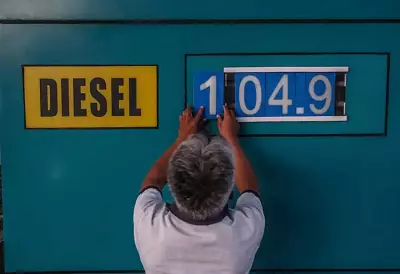
The Department of Human Settlements and Urban Development (DHSUD) has activated a comprehensive suite of financial relief initiatives, headlined by a three-month suspension of housing loan payments, to shield Filipino households from the repercussions of the ongoing energy emergency. This crisis has been exacerbated by the escalating conflict in the Middle East, which has driven up global fuel costs and economic pressures.
Government-Wide Response to Economic Strain
In a recent announcement, DHSUD Secretary Jose Ramon Aliling detailed that these measures are a critical component of a "whole-of-government" strategy, executed under the direct orders of President Ferdinand R. Marcos Jr. The primary objective is to mitigate the adverse effects of soaring energy prices and international economic instability on the nation's citizens.
"DHSUD remains steadfast in advancing programs that will help alleviate the impact of this crisis on our fellow Filipinos," Aliling emphasized, reinforcing the agency's dedication to supporting vulnerable communities during these challenging times.

National Mortgage Moratorium Details
Through the National Home Mortgage Finance Corporation (NHMFC), all qualified borrowers across the Philippines will be automatically enrolled in a payment holiday spanning from May 1 to July 31, 2026. This initiative is projected to assist approximately 50,000 member-beneficiaries by temporarily halting their monthly amortization obligations.
Noe Valencia, manager of the NHMFC Central Servicing and Regional Accounts Servicing Department, clarified that borrowers will face no penalties or extra interest during this period. Additionally, loan terms will be extended to match the three-month moratorium, ensuring no long-term financial detriment to participants.
Special Support for Overseas Filipino Workers
In a parallel effort, the Pag-IBIG Fund has introduced a tailored benefits package for Overseas Filipino Workers (OFWs) who have been repatriated due to the Middle East turmoil. With nearly 900,000 registered OFW members in the region as of February 2026, this program aims to provide crucial financial flexibility.
Eligible repatriated members can access the following provisions:
- Withdraw up to 100% of their Pag-IBIG Regular Savings, including employee and employer contributions plus dividends, prior to the standard 20-year maturity.
- Withdraw up to 100% of their Modified Pag-IBIG II (MP2) Savings before the usual five-year maturity period.
- Benefit from a three-month moratorium on housing loan payments that is free of interest and penalties.
Focus on Economic Security and Dignity
The DHSUD has highlighted that these coordinated interventions from NHMFC and Pag-IBIG Fund are strategically designed to protect the economic stability of at-risk groups, particularly displaced workers and low-income families. Aliling underscored that housing is not merely a shelter but a cornerstone of security and dignity for every Filipino family, especially during periods of hardship.
The agency reaffirmed its commitment to continuously assist those most in need, ensuring that these relief measures effectively cushion the blow of the energy emergency and contribute to national resilience.