Philippines Launches Massive Classroom Construction Program to Ease Education Crisis
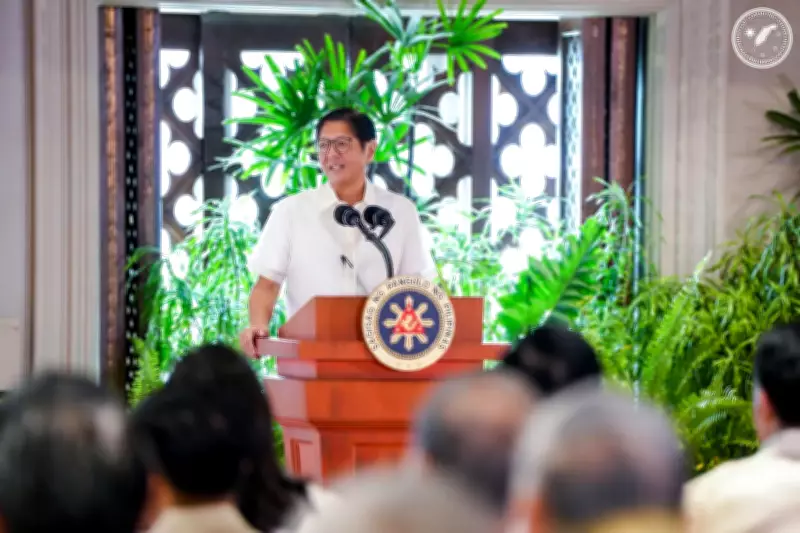
In a significant move to combat the severe classroom shortage across the nation, the Philippine government, under President Ferdinand R. Marcos Jr., has committed to building approximately 4,000 new classrooms. This announcement follows the signing of a Memorandum of Agreement (MOA) between the Department of Education (DepEd) and local government units (LGUs) this Wednesday, marking the first phase of a broader classroom-building initiative.
Addressing a Critical National Deficit
President Marcos revealed that the country currently faces a staggering shortage of 145,000 classrooms, a situation that has forced many schools to implement multiple shifts and left students learning in inadequate spaces such as basketball courts or under trees. The new program aims to directly tackle this crisis by accelerating construction through a collaborative partnership.
Streamlined Partnership for Faster Delivery
Under the agreement, DepEd will set the standards, designs, and provide funding, while LGUs will take the lead in procurement and actual construction. This division of responsibilities is designed to speed up the process and avoid delays, ensuring that classrooms are built efficiently. For 2026, the Basic Education Facilities fund is allocated ₱85.39 billion, with ₱9.6 billion dedicated to this initial phase.

Funding Breakdown and Quality Assurance
Of the ₱9.6 billion, ₱4.1 billion will be directed to provinces for the construction of around 1,200 classrooms, while DepEd will purchase 2,800 prefabricated classrooms. President Marcos emphasized that all projects will undergo strict validation by DepEd, with no turnover permitted if they fail to meet standards, underscoring a commitment to transparency and accountability in the implementation.
Broader Educational Enhancements
Alongside the classroom construction, the government is bolstering internet connectivity in schools, targeting over 14,000 unserved and underserved institutions for connection. Additionally, the ARAL Program is being expanded to support learning recovery for students, further addressing educational gaps.
Education as a Top Priority
President Marcos reiterated that education remains the primary focus of his administration, expressing confidence that through the collaboration of national and local governments, results will be faster and more tangible for students under the Bagong Pilipinas vision. This initiative represents a critical step toward improving the learning environment and ensuring equitable access to quality education nationwide.