Rising Student Enrollment Overwhelms Educational Infrastructure, Forcing Shift to Asynchronous Learning
The surge in student enrollment across educational institutions signals a positive trend of growing interest in education, but it has simultaneously exposed critical weaknesses in the nation's educational infrastructure. Schools are struggling to accommodate the influx of students due to severe limitations in resources and physical space, directly impacting the quality of learning environments and academic progress.
Infrastructure Shortages Lead to Compromised Learning Setups
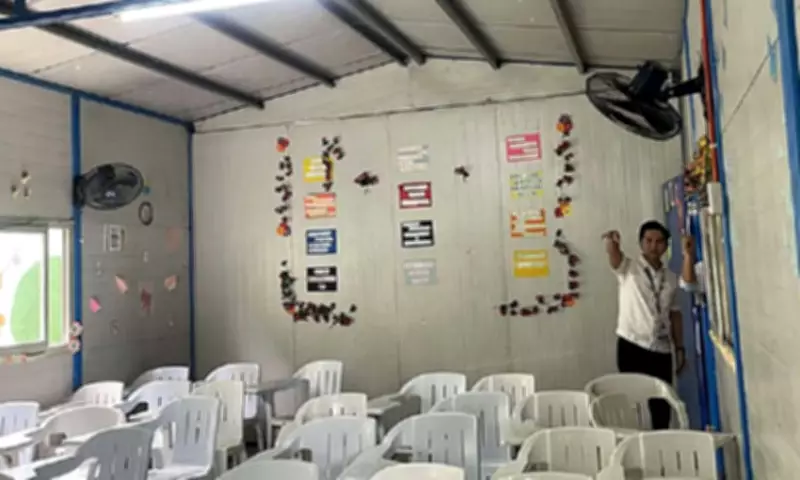
With classrooms and facilities unable to keep pace with increasing student numbers, many institutions have resorted to implementing asynchronous classes, overcrowded schedules, and suboptimal learning arrangements. This structural inadequacy forces students into learning modalities that, while practical, may not align with educational best practices.
Marygrace Pabia, a first-year nursing student at Cebu Doctors' University, highlights a significant drawback: "During asynchronous classes, feedback from both teachers and students is often delayed." Despite appreciating the flexibility, Pabia maintains that face-to-face instruction remains more effective for genuine learning outcomes.

Student Perspectives on Asynchronous Learning Challenges
Students across various disciplines report mixed experiences with the asynchronous model. James Arven Balayong, a first-year electrical engineering student at Cebu Technological University, expresses frustration: "It's honestly draining to deal with asynchronous classes. Studying engineering at home is much more difficult compared to a face-to-face setup, where I can ask my instructor questions or brainstorm with my classmates."
Conversely, Samantha Nicole Sevillino, a first-year political science student from the University of the Visayas, notes financial benefits: "Asynchronous classes lessen students' expenses since they don't have to pay for fare." However, she quickly adds that this setup often results in lower productivity compared to traditional classroom environments.
Educational Experts Weigh In on Sustainable Solutions
Education professionals acknowledge that asynchronous learning serves as a temporary solution to overcrowding but caution against viewing it as a permanent replacement for interactive instruction. They emphasize that schools must prioritize:
- Improving and expanding physical classroom spaces
- Investing in comprehensive educational resources
- Developing infrastructure that supports quality learning without sacrificing student engagement
As student populations continue their upward trajectory, institutions are urged to formulate long-term strategies that balance:
- Accessibility and flexibility in learning options
- Maintenance of effective teaching methodologies
- Equitable academic support for all students
Addressing classroom shortages and enhancing learning environments will be crucial to ensuring that every student receives equal opportunities for academic success, regardless of the instructional format. The current infrastructure crisis demands immediate attention and strategic investment to prevent compromising educational quality in the face of growing demand.