A critical classroom building project at the Cebu Technological University (CTU) - San Fernando Campus remains unfinished more than a year after its deadline, forcing students to attend classes under makeshift tents. The delay is a direct consequence of a political transition and project review by the new provincial administration, highlighting a recurring clash where education often pays the price.
A Promise Broken, Students Bear the Brunt
The construction of three two-story buildings, totaling six classrooms, began in August 2024. Funded by the Cebu Provincial Capitol, the project was slated for completion within just seven months. However, as of December 2025, the structures are still not ready for use.
Students and teachers continue to hold classes exposed to the scorching sun and heavy rain under temporary tents, a daily struggle that undermines the learning environment. The core reason for the stall is clear: a change in provincial leadership prompted a province-wide assessment, verification, and inventory of projects initiated by the previous administration.

While framed as necessary due diligence, this "review" has had tangible, negative effects. It led to the suspension of billing for materials and a severe slowdown in construction progress. What is termed a "process" in government jargon translates into everyday hardship for the academic community.
The Political vs. Educational Cost
The situation underscores a painful reality. Political decisions often come without immediate physical consequence for the decision-makers, but the burden falls squarely on students and educators. They are the ones sweating in the heat, getting drenched in the rain, and trying to focus on lessons in an unfit setting.
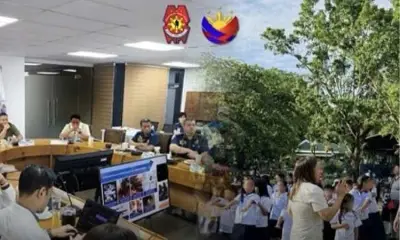
In response to inquiries, the Governor's office, through Mr. Aldwin Empaces, facilitated an on-site meeting. The gathering included the Provincial Engineering Office led by Engr. Hector P. Jamora, the contractor Megadynamic Construction, and CTU-San Fernando campus officials.
From this meeting emerged a new commitment: to finish the building at the soonest possible time for use in the second semester of Academic Year 2025-2026, specifically by January 2026.
A Cycle of Promises and Delays
This latest pledge, however, is met with skepticism. The central question remains: How many more promises must be made before action is finalized? Political assurances are easily given but notoriously difficult to fulfill, especially when the academic calendar and student welfare hang in the balance.
The delay at CTU-San Fernando is more than an infrastructure setback; it is a stark lesson in how political transitions can directly impede educational progress. The community now watches to see if the January 2026 deadline will mark the end of their wait or simply become another unmet promise in a long series of delays.