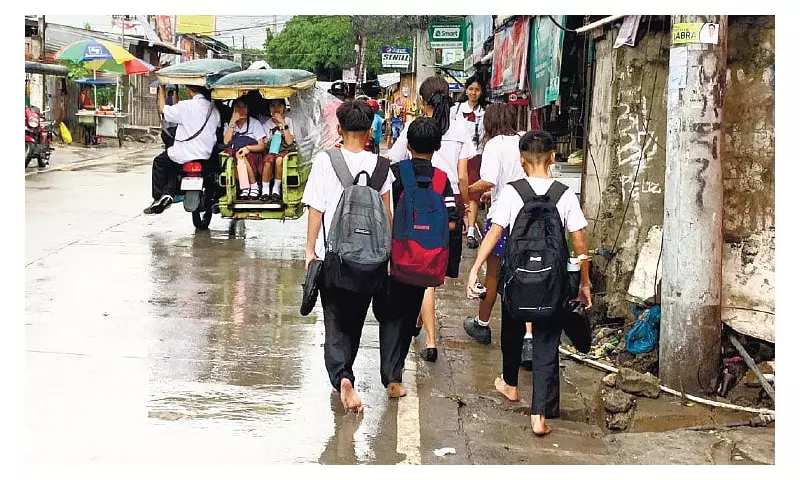
For many students across the Philippines, the early morning wait for class suspension announcements during bad weather has become a stressful routine. The relief of a canceled school day is often overshadowed by frustration when the news comes too late, leaving students already on their costly and sometimes risky commute.
The Emotional and Financial Toll of Tardy Announcements
The issue of delayed suspension notices creates a significant dilemma. Students like Marriane from Talamban National High School express clear frustration. "Ma frustrate ko kay naka prepare na ko or usahay naa nako sa dalan padung school, unya diay suspended," she shared, highlighting the waste of time, effort, and preparation.
This problem forces students into a difficult choice: leave home early to be punctual and risk a wasted journey, or wait for updates and potentially be late. The situation is further complicated during the wet season, when predictions of heavy rain keep families in a state of constant guessing.

Safety Concerns and Rising Costs
Beyond disrupted routines, late suspensions pose real dangers. Traveling during intense rainfall exposes students to hazards like flooding. Furthermore, transportation becomes scarcer and more expensive during these conditions, adding an unexpected financial burden on families.
Students have pointed out that navigating flooded streets or waiting for rides in poor weather is not just inconvenient—it's a genuine safety issue that earlier announcements could help mitigate.
A Call for Clearer and Timelier Communication
In response to these challenges, students are calling for systemic improvements. A common suggestion is for schools to establish a more reliable and earlier notification system. Leo, another student, proposed a practical solution: "Mas maayo kung naay fixed time sila mo-post para dili mi mag sige ug hulat ug guessing kung naa ba'y klase o wala."
This call for a fixed posting time, especially during known rainy periods, aims to reduce anxiety and uncertainty. Clearer, more proactive communication from educational institutions is seen as key to putting student welfare and safety first.
The collective feedback from students underscores that while some remain unaffected, for many, the current system leads to unnecessary stress, financial loss, and physical risk. The need for a more efficient and student-centered approach to announcing class suspensions is now louder than ever.