
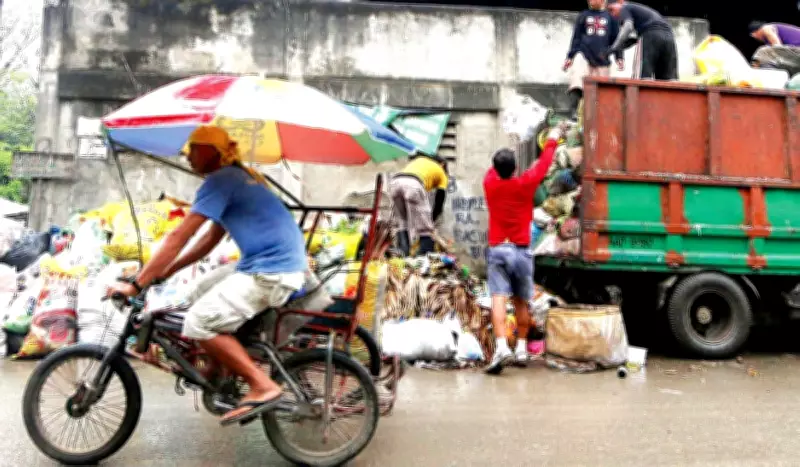
Cebu City Confronts Major Waste Management Challenge After Landfill Reduction
Cebu City is embarking on a critical shift in its waste handling strategies following a significant decision by a neighboring landfill to drastically reduce the amount of garbage it accepts. The city now faces the urgent task of finding alternative solutions for hundreds of tons of daily waste to prevent an escalating environmental and public health crisis.
Trash Deficit Creates Immediate Pressure
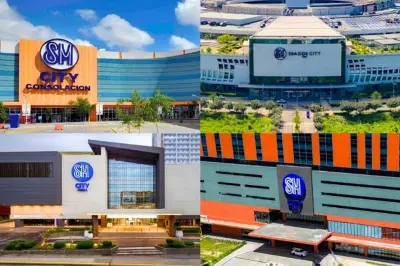
Mayor Nestor Archival has officially confirmed that Cebu City must now limit its daily waste shipments to the Consolacion landfill to just 150 metric tons. This represents a substantial 50 percent reduction from the previous 300 tons that the city routinely sent to the facility. The decision stems from Consolacion Mayor Teresa "Nene" Alegado's move to protect her municipality's landfill capacity, ensuring sufficient space remains for local community needs.
"That is their decision, and we respect that. We will find other ways to manage our garbage," Mayor Archival stated, acknowledging the challenging circumstances while expressing determination to develop new approaches.

The 450-Ton Daily Dilemma
The situation presents a complex arithmetic problem for city officials. Cebu City generates approximately 600 tons of waste each day. With Consolacion now accepting only 150 tons, the municipality is left with a staggering 450 tons of garbage that currently lacks any designated disposal destination.
To address this pressing issue, city authorities are exploring "at-source" processing methods that involve managing waste directly where it originates rather than transporting it elsewhere. A successful example already exists at the Carbon Public Market, where 15 to 20 tons of food waste are converted into compost daily instead of being directed to landfill sites.
Three-Pronged Strategic Response
To comply with the new landfill restrictions, Cebu City is implementing a comprehensive plan centered on three primary objectives:
- Mandatory Sorting: Households will be required to separate their waste to facilitate the conversion of organic materials into agricultural fertilizer.
- Local Shredding: New processing equipment will be deployed in neighborhoods to handle non-biodegradable materials at the community level.
- Reduced Transportation: Only materials that cannot be recycled or composted will be transported to more expensive landfill facilities.
Mayor Archival is convening meetings with barangay leaders this week to discuss enforcement mechanisms for these new regulations. He emphasized that the success of this initiative depends entirely on household cooperation and proper waste segregation at the source.
System Under Increasing Strain
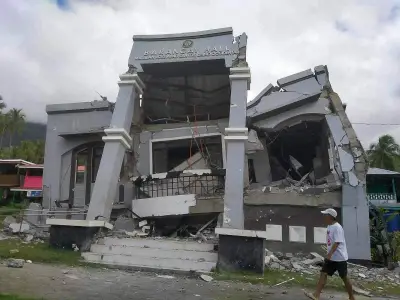
The city's waste management challenges intensified significantly on January 8 following the collapse of the Binaliw landfill. This disaster forced Cebu City to rely more heavily on the Consolacion facility, which has now implemented access restrictions.
Despite the urgency of the situation, municipal leaders view this crisis as an opportunity to establish more sustainable practices. By emphasizing local recycling and composting initiatives, Cebu City aims to reduce its dependence on external landfill facilities and develop more responsible, self-sufficient waste management systems for the future.