Cebu City Confronts Major Garbage Emergency After Landfill Shutdown
Cebu City is grappling with a critical garbage emergency following the sudden closure of a nearby private landfill to municipal waste trucks. This development has compelled city officials to implement an expensive and logistically complex plan to transport hundreds of tons of trash across the province, a move that threatens to double the original waste disposal budget and burden taxpayers significantly.
Root Cause of the Trash Accumulation
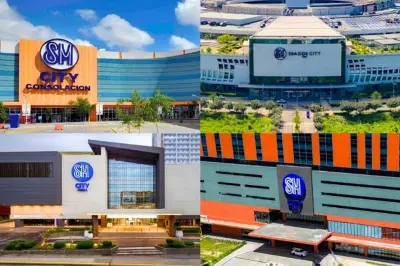
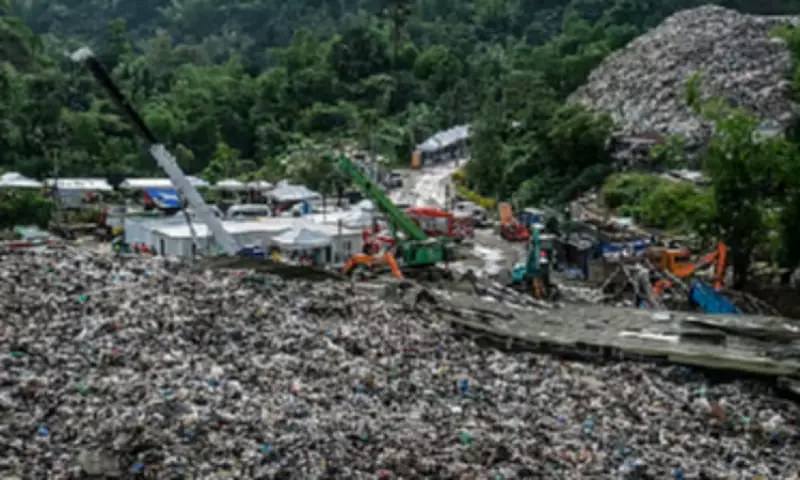
The crisis began on Friday, February 20, 2026, when the AsianEnergy Landfill in Consolacion ceased accepting waste from Cebu City due to an unsigned payment agreement. With no immediate alternative, the city has repurposed South Road Properties (SRP) Pond A as a temporary holding area. From this site, private haulers are now required to drive the waste approximately 61 kilometers southwest to a landfill in Aloguinsan, creating a massive logistical challenge.
Large-Scale Logistics Operation in Motion
All 80 barangays in Cebu City have been instructed to deliver their trash to the SRP site. To manage the immense volume, 50 trucks have been deployed in a coordinated effort:

- 25 trucks are dedicated to transporting the 600 to 650 tons of fresh garbage collected daily.
- 25 trucks are focused on clearing the backlog of waste that has accumulated since January.
Each truck is carrying heavy loads of 18 tons or more to keep pace with the escalating demand, highlighting the urgency of the situation.
Escalating Financial Strain on City Resources
This detour is not only lengthy but also exorbitantly costly. Previously, waste disposal cost P1,100 per ton. The new route to Aloguinsan has skyrocketed to P3,906 per ton, nearly quadrupling expenses. Councilor Dave Tumulak issued a stark warning, noting that while the city allocated P500.7 million for waste management this year, an additional P600 million may be necessary to cover the increased costs. This potential total of P1.2 billion is roughly equivalent to the city's entire annual budget for senior citizens, underscoring the severe financial impact.
Health and Hygiene Concerns Intensify
At the temporary SRP site, officials are struggling to control foul odors as approximately 1,000 tons of trash arrive daily. Councilor Harry Eran emphasized that while deodorizer is being applied to mitigate the smell, it only addresses surface issues. The only effective solution, he noted, is to transport the waste to Aloguinsan at least twice daily to prevent buildup and health hazards. Paul Gelasque, head of the Department of Public Services, confirmed the Consolacion facility's closure two days ago and described the Aloguinsan route as a temporary fix while the city seeks a resolution.
Future Steps and Potential Solutions
The city is now exploring the use of a lot in Barangay Inayawan as a formal transfer station to eliminate the practice of dumping trash directly on the ground. However, the most immediate hope for relief lies with Mayor Nestor Archival. If he signs an emergency agreement with the Consolacion landfill, the city could halt the costly trips to Aloguinsan and save millions of pesos until a permanent local waste management solution is established. This ongoing crisis highlights the urgent need for sustainable infrastructure and contingency planning in urban waste management.