
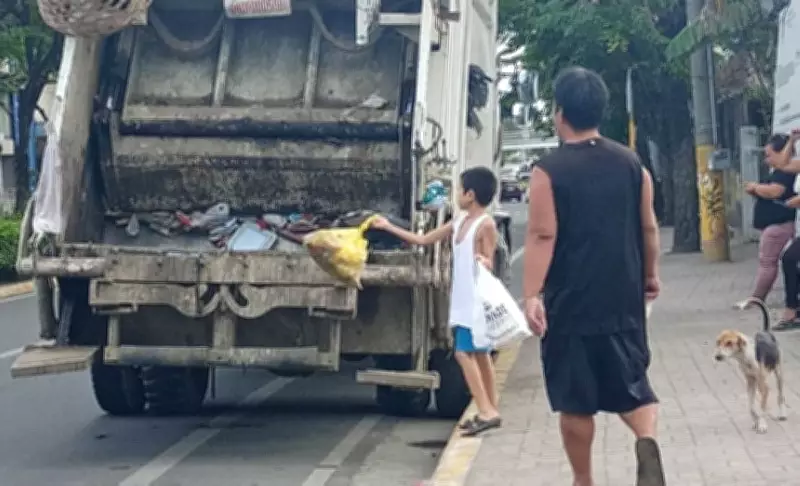
Cebu City's New Garbage Collection Schedule Sparks Barangay Concerns Amid Weather Woes
The recent implementation of an "interval-based" garbage collection system in Cebu City has begun to cause significant difficulties for local barangays, disrupting daily routines and raising practical challenges. This new schedule, introduced as a temporary measure, is already facing criticism from community leaders who worry about its feasibility, especially during periods of inclement weather that can further hinder the already limited collection days.
Background: Landfill Closure Forces Schedule Change
The system was put into effect following the closure of the Binaliw landfill due to a "trash slide" incident on January 8. As a result, the city now relies solely on the limited capacity of the Consolacion landfill, necessitating a more structured approach to waste disposal. Mayor Nestor Archival explained that the collection is now conducted on a rotation basis, with schedules set for Monday-Wednesday-Friday (MWF) and Tuesday-Thursday-Saturday (TTHS). This move aims to manage the reduced disposal capacity while negotiations with Asian Energy are ongoing, though it is described as a temporary solution to prevent barangays from overflowing with garbage due to weight limitations.
Barangay Leaders Voice Practical Challenges
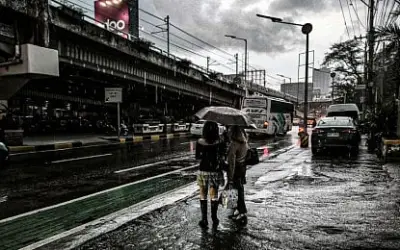
Several barangay captains have expressed their concerns about the new system. Barangay Captain Clifford Jude Niñal of San Nicolas Proper noted that their area is scheduled for collection on Tuesdays, Thursdays, and Saturdays, but they have already experienced delays. He highlighted the impact of heavy rain on a recent Tuesday, which not only threatened landslides in mountainous barangays but also made roads muddy and impassable, complicating collection efforts.

In Punta Princesa, Captain Eleno Andales Jr. remarked that while the situation is far from ideal, they are at least able to dispose of some garbage amidst the crisis. Meanwhile, Captain Kirk Bryan Repollo of Inayawan acknowledged that barangays have little choice but to comply with the city's directives, as the final disposal decisions rest with municipal authorities.
Emphasis on Waste Reduction and Segregation
In response to the challenges, Captain Repollo emphasized the importance of waste segregation and the use of shredders to minimize the volume of garbage transported to Consolacion. He revealed that they already have a plastic shredder and two bioshredders provided by the Ecowaste Coalition, but what they urgently need now is a suitable location for their Materials Recovery Facility (MRF).
Repollo suggested that this crisis could serve as a catalyst for Cebu to take waste management more seriously, moving away from reliance on landfills. He stressed that proactive measures, such as enhanced recycling and reduction efforts, are essential for long-term sustainability.
Looking Ahead: Temporary Measures and Long-Term Solutions
As Cebu City navigates this transitional period, the new garbage collection schedule remains a point of contention. Barangay leaders are calling for more flexible arrangements and better infrastructure to handle waste during adverse weather conditions. The city's reliance on the Consolacion landfill underscores the urgent need for sustainable waste management strategies that go beyond temporary fixes.
This situation highlights broader environmental and logistical issues, urging stakeholders to prioritize innovation and community engagement in tackling Cebu's waste challenges effectively.