
DENR Successfully Returns Rescued Philippine Palm Civet to Natural Habitat in Zamboanga del Norte
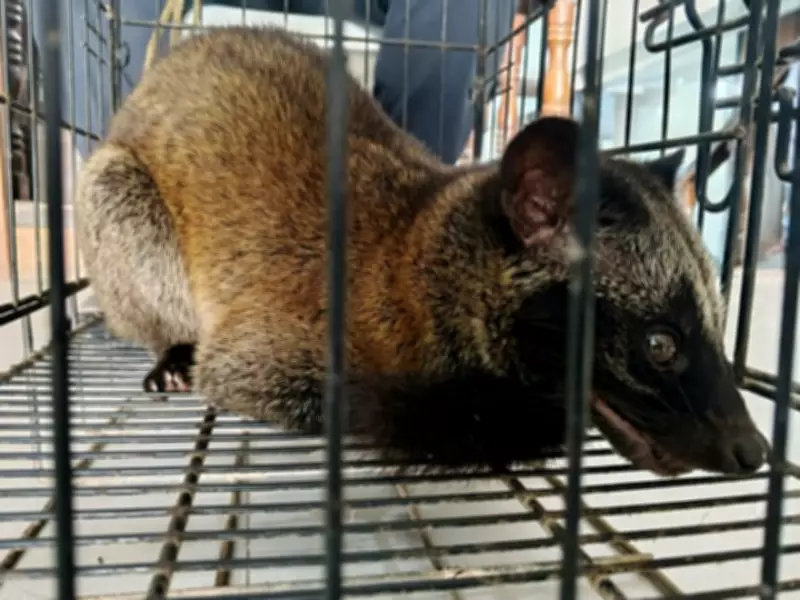
In a significant wildlife conservation effort, personnel from the Department of Environment and Natural Resources (DENR) have released a juvenile male Philippine Palm Civet back into its natural forest habitat in Zamboanga del Norte. The release occurred on Wednesday, April 22, 2026, in a carefully selected forested area within the municipality of Labason.
Rescue and Coordination Efforts
The Philippine Palm Civet, locally referred to as "musang" or "milo", was initially discovered by firefighters on the evening of Sunday, April 19. Inspector Joel Sabijon, the Municipal Fire Marshal of Labason, reported that the civet was found inside the firefighters' quarters and was promptly turned over to the Community Environment and Natural Resources Office (CENRO)-Liloy for proper care and handling.
This rescue operation highlights the effective coordination between first responders and environmental authorities in safeguarding wildlife, as emphasized by the DENR-Zamboanga Peninsula in an official statement. The civet was placed under temporary care at a wildlife holding facility, where it underwent a thorough health assessment to ensure it was in stable condition before release.

Compliance with Conservation Protocols
The release was conducted in strict adherence to the protocols established under the Wildlife Resources Conservation and Protection Act. As part of these protocols, the exact location of the release has been kept confidential to protect the newly-freed civet from potential wildlife hunters. This precautionary measure is crucial for the animal's survival and long-term well-being in its natural environment.
Ecological Importance of the Philippine Palm Civet
The DENR-Zamboanga Peninsula underscored the vital role that the Philippine Palm Civet plays in maintaining forest health. This species contributes to ecosystem stability through:
- Seed dispersal, which aids in forest regeneration
- Controlling insect populations, thereby supporting biodiversity
- Promoting overall ecological balance
Despite being listed as Least Concern by the International Union for Conservation of Nature (IUCN), the civet population faces threats from habitat loss and increased human interaction. Each successful rescue and release operation, such as this one, directly supports broader wildlife conservation efforts and helps mitigate these challenges.
Public Awareness and Legal Reminders
In light of this event, the DENR-Zamboanga Peninsula has urged residents to report any wildlife encounters to the nearest DENR field office for appropriate action. The agency also reminded the public that the capture, possession, or trade of wild animals is strictly prohibited under Philippine law. These measures are essential for protecting vulnerable species and preserving the country's rich biodiversity.
This release not only represents a triumph for local conservation initiatives but also serves as a reminder of the collective responsibility to protect and coexist with wildlife. The DENR continues to advocate for proactive measures to ensure the survival of species like the Philippine Palm Civet for future generations.