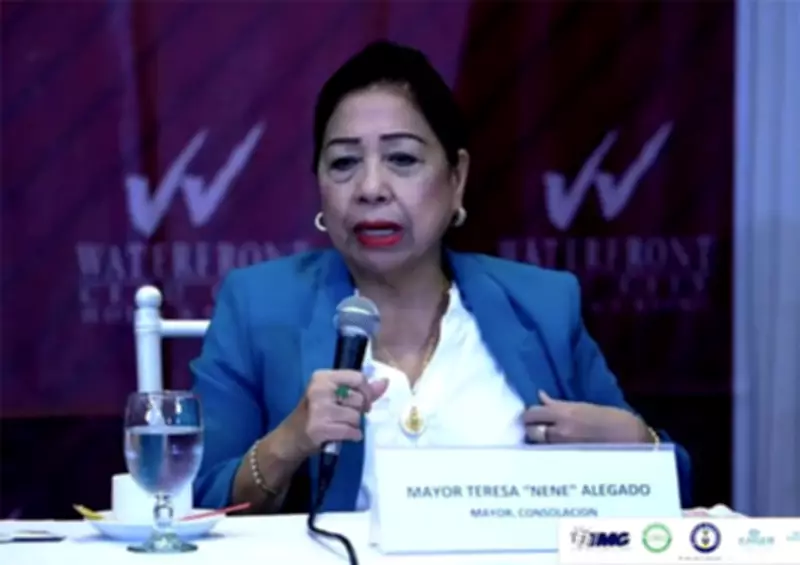
Consolacion Mayor Imposes Strict Daily Limits on Metro Cebu Garbage Imports
Consolacion Mayor Teresa "Nene" Alegado has established firm restrictions on the volume of garbage her municipality will accept from neighboring cities in Metro Cebu. This decisive action comes in response to growing concerns about the strain on Consolacion's own waste management facilities following the closure of the Binaliw landfill.
Daily Allocation and Capacity Concerns
During a media forum held on Tuesday, February 3, 2026, Mayor Alegado announced that Consolacion will accommodate a maximum of 300 tons of garbage per day from Cebu City, Mandaue City, and Lapu-Lapu City. This waste will be processed at the Asian Energy landfill located in Barangay Polog, which has a total daily capacity of 600 tons.
The specific allocation breakdown is as follows:

- Cebu City is expected to send between 100 to 150 tons daily
- Lapu-Lapu City has been allotted 100 tons per day
- Mandaue City has been allotted 100 tons per day
Mayor Alegado emphasized the necessity of these limits, stating, "With the volume coming in from different cities, we have to be very clear on the limits." She further stressed that the municipality must ensure its landfill can continue to operate safely and sustainably without compromising local environmental standards.
Landfill Operations and Coordination Issues
The mayor provided important clarification about Consolacion's waste facility, noting that it operates as a recycling landfill rather than a sanitary landfill. This distinction is crucial for understanding the facility's operational parameters and environmental impact.
Alegado revealed that three out of the landfill's fifteen cells have already been in use for more than five years. Despite this extended usage, she indicated these cells are expected to accommodate waste for several more years with proper management.
However, the mayor expressed significant concern about how the waste arrangement was established. She disclosed that Cebu City and Mandaue City did not directly coordinate with the Consolacion local government before beginning to send their waste to the facility. "They go directly to the private management of the landfill," Alegado revealed, highlighting a lack of formal municipal coordination.
Environmental Protection and Temporary Solution
While acknowledging Consolacion's role in helping address the waste crisis caused by the Binaliw landfill collapse, Mayor Alegado emphasized that her administration must protect the municipality's capacity and residents from potential long-term environmental risks.
The Consolacion local government has issued specific guidelines covering waste transport and disposal procedures. These regulations aim to ensure that incoming garbage complies with established safety and operational standards while the municipality temporarily serves as one of Metro Cebu's key disposal sites.
The Asian Energy landfill has become a crucial stopgap facility following the January 8 trash slide at the Binaliw landfill. This incident forced Cebu City to shut down its primary disposal site, prompting local governments throughout Metro Cebu to scramble for alternative dumping areas to manage the region's substantial waste output.
Consolacion itself generates approximately 80 to 85 metric tons of waste daily, adding to the pressure on local waste management infrastructure. The municipality's decision to accept limited external waste represents a balancing act between regional cooperation and local environmental protection during this critical period for Metro Cebu's waste management system.