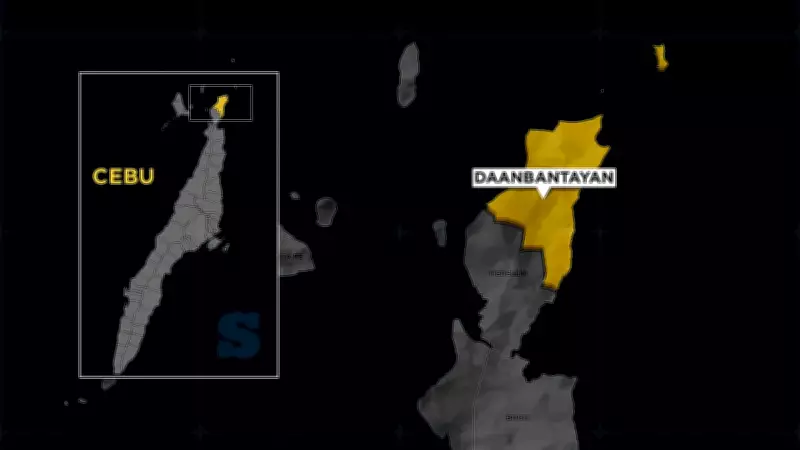
A massive 150-megawatt renewable energy project in northern Cebu is facing a major roadblock. While the project aims to bring cleaner power to the province, nearly half of the affected landowners are suing the Provincial Government over how their land was taken.
Tension over land rights
At the heart of the fight is a 187-hectare site in Daanbantayan. Property owners claim the government took their land through tax forfeiture, a process for unpaid taxes, without following the proper legal steps.
Provincial Administrator Ace Durano confirmed that the legal battle is ongoing. He noted that the current administration, led by Gov. Pamela Baricuatro, inherited these legal issues from the previous provincial leadership.

Why Cebu needs this power
This project is not just about going green; it is about keeping the lights on. Cebu's power grid is often under heavy strain. When the grid is on yellow alert, even one small plant failure can cause brownouts across the region.
The new solar farm is designed to be a critical backup for the local energy supply. However, the legal drama almost killed the deal. The Spanish developer, Acciona Energia, nearly backed out of the project because they were not sure if the land was legally secure.
The disagreement on price
The dispute actually goes back to 2023. The government tried to buy land from over 70 owners using a set price of P130 per square meter. However, some owners demanded as much as P400 per square meter.
When they could not agree on a price, the government used tax delinquency laws to finalize the acquisition. Under the current plan:
- The Province will lease the land to developers for 25 years.
- The government will keep two percent of the total revenue.
- The project will eventually be transferred back to the government.
What happens next?
Despite the lawsuits, a court recently denied a request to stop the project. This means the Provincial Government can move forward with getting permits and starting construction.
Before the solar panels can be installed, the government still needs to:
- Convert the Land: Get permission from the Department of Agrarian Reform to change the land from farming to industrial use.
- Follow Court Rulings: Officials say they will respect whatever the court finally decides regarding the land cases.
The Department of Energy has labeled this solar farm a project of national significance, which should help speed up the process. For now, the Province is continuing to talk with landowners to find a way forward.