Renewable energy is emerging as a major pillar in deepening economic ties between Norway and the Philippines, with Mindanao positioning itself as a prime destination for green investments amid rising global demand for sustainable power.
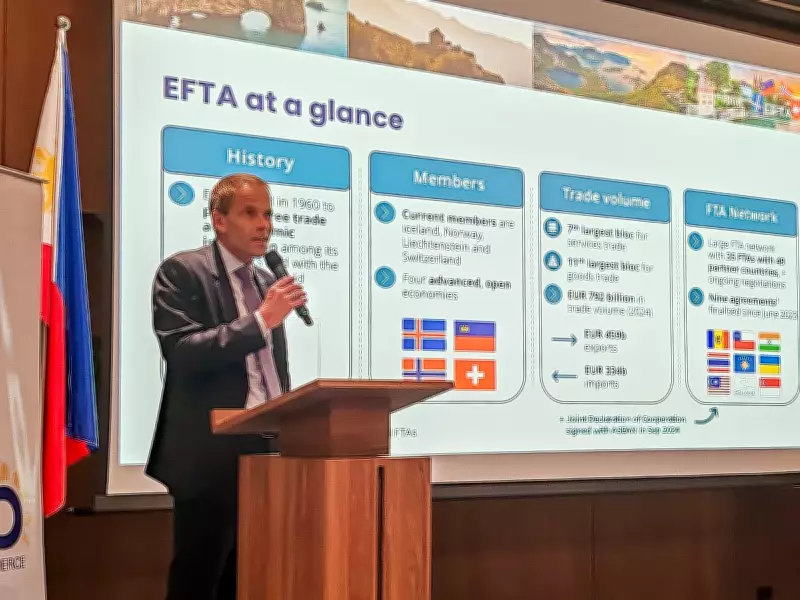
During the European Free Trade Association (EFTA)–Mindanao Dialogue on April 28 in Davao City, Norwegian Ambassador Christian Halaas Lyster said Norwegian firms are increasingly exploring opportunities in the Philippines’ renewable energy sector, particularly in Mindanao, following policy reforms that now allow up to 100 percent foreign ownership in renewable energy projects.
"We see strong potential in the Philippines, including Mindanao, for renewable investments," Lyster said during the dialogue. "There are opportunities in hydropower, solar, and even offshore wind."

Lyster also highlighted emerging technologies such as floating solar systems with battery storage, waste-to-energy, and carbon capture solutions that could support Mindanao’s transition toward a circular economy.
Energy and Trade Rise
Beyond energy, Lyster noted that Mindanao is strengthening its role in global trade, particularly through agricultural exports such as bananas, mangoes, and coconuts, which are gaining traction in European markets under the Philippines’ free trade agreement with the EFTA. He added that Philippine exports to EFTA countries are growing faster than imports, helping narrow the trade gap.
Davao as a Green Gateway
Local officials said Davao City is ready to serve as a gateway for renewable investments in Southern Mindanao. Christian D. Cambaya, head of the Davao City Investment Promotion Center, said Davao is prioritizing renewable energy and utilities as part of its long-term development strategy.
"Davao continues to emerge as a strategic gateway in Southern Mindanao, driven by strengths in agribusiness, infrastructure, logistics, renewable energy, and digital innovation," Cambaya said. He added that Davao serves as an "anchor city" connecting Mindanao’s production zones to regional and global markets.
Infrastructure upgrades, including transport modernization efforts involving electric buses and charging stations, are also boosting Davao’s appeal to sustainability-focused investors. Lyster added that Norway is working with Philippine partners on green maritime solutions, including electric ferry technology.
Global Ties Key to Growth
Mindanao Development Authority Secretary Leo Tereso Magno said stronger global partnerships remain essential to unlocking Mindanao’s economic and energy potential, stressing the need to sustain peace, improve investor confidence, and streamline business processes.
"Mindanao stands ready to work with EFTA member states and the broader European community to ensure that our natural advantages are harnessed for shared prosperity," Magno said.
While no specific renewable energy projects have been finalized, Lyster confirmed ongoing discussions between Norwegian and Philippine stakeholders, with Norfund actively exploring climate-related investments in the country. He said Norway is also working with Philippine agencies to digitalize trade processes, including electronic import and export documentation, to streamline cross-border transactions.
"I’m confident that we will see a bigger footprint of renewable energy companies in the Philippines," Lyster said.
Green Growth Ahead
Norwegian and Philippine officials said renewable energy will play a critical role in shaping Mindanao’s economic future. For Davao, expanding clean energy supports its broader push to become a value-added, innovation-driven economy. Norway offers a chance to strengthen its global leadership in sustainable energy while deepening ties with emerging markets.
"By combining Norwegian technology and financing with local resources, we can help unlock Mindanao’s full potential in sustainable energy," Lyster said.
As global demand for clean energy grows, officials said Mindanao’s rich resource base, combined with Davao’s investment-ready environment and supportive policies, positions the region at the forefront of the Philippines’ green energy transition.