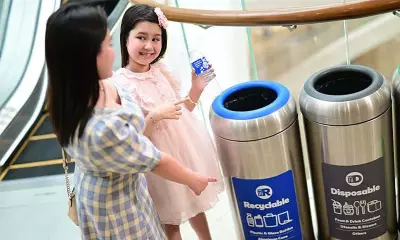

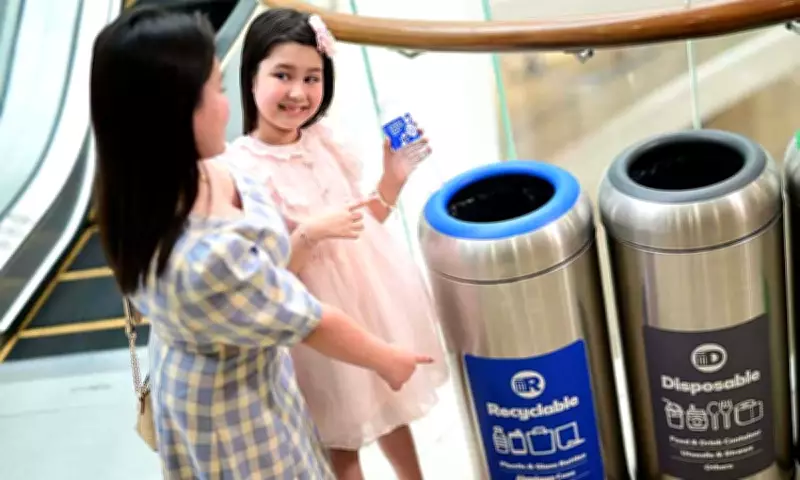
When you step into your local SM Supermall, pay attention to the distinctive trash bins that encourage participation in a Waste-Free Future initiative. As part of the SM Green Movement, the Recyclable-Disposable-Compostable (RDC) Bins are engineered to reclaim reusable materials while diverting waste from landfills and oceans through conscientious waste management practices.
Demystifying the Recyclables: Bottles, Cans, and Cartons
At the heart of this system, recyclables are categorized into three simple groups: Bottles, Cans, and Cartons. Each category offers opportunities for extended use, with materials being returned to manufacturers for repurposing.
Bottles: Glass and Plastic Transformation
Bottles encompass both glass and plastic varieties, specifically PET (polyethylene terephthalate). Glass bottles possess the remarkable ability to be recycled indefinitely. They are collected and sent back to bottling companies such as San Miguel Yamamura and Asia Brewery Incorporated, where they undergo thorough washing and are reused for beverage packaging.

PET bottles, recognized as a highly sustainable plastic, are gathered by partners like Coca-Cola's PETvalue and Nature Spring's NS Sustainability Solutions. These bottles can either be recycled into new beverage containers or processed into polyester fibers for clothing production, showcasing their versatility.
Cans: Energy-Efficient Metal Recycling
Cans, constructed from tin or aluminum, represent valuable recyclables that can be reused multiple times. Recycling these metal containers significantly reduces energy costs for manufacturers compared to producing new ones from raw materials, making it an environmentally and economically sound practice.
Cartons: Sustainable and Cost-Effective Solutions
Cartons rank among the most sustainable products available in the Philippines, with easy local sourcing and competitive pricing. Even after recycling, they maintain high value, as manufacturing paper products from recycled cartons requires only 10% new material, highlighting their efficiency in resource conservation.
From Recyclable to Recycled: Closing the Loop
High-value recyclables are often wasted if not disposed of correctly. By utilizing SM's dedicated Recyclable bins, consumers can facilitate the return of these materials to the market, supported by partners who recover and reuse them effectively.
A genuine circular economy becomes achievable when individuals mindfully sort and dispose of bottles, cans, and cartons. Through simple, collective actions, everyone can contribute to environmental protection and the creation of a greener, more sustainable future.
About SM Supermalls and the SM Green Movement
SM Supermalls is adapting to a new era defined by contemporary lifestyles, connections, and experiences. More than just shopping destinations, these malls are beloved everyday hubs designed around the passions and needs of Filipino communities, offering fresh concepts and meaningful experiences.
As one of Southeast Asia's largest mall developers and operators, with 90 malls in the Philippines and 8 in China, SM Supermalls continuously evolves its spaces and partnerships to build trusted, relevant destinations that grow with communities.
Through the SM Green Movement, SM Prime Holdings, Inc. champions sustainability by focusing on waste management, water stewardship, and energy efficiency. This initiative empowers individuals and families to make lasting environmental impacts, aligning with SM Prime's vision of developing sustainable, innovative, and inclusive spaces for Filipinos.