Philippines Faces Critical 30-Day Food Supply Buffer Amid Global Tensions
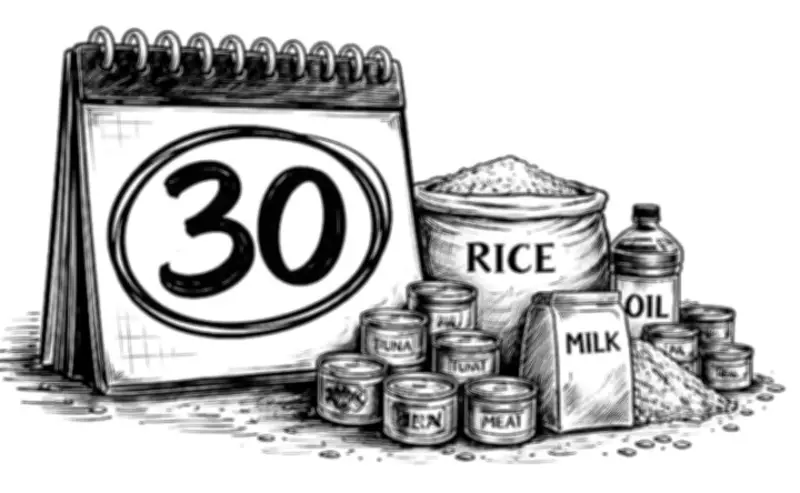
As ongoing tensions in the Middle East continue to threaten global supply chains and oil prices, the so-called "strong" food supply in the Philippines warrants scrutiny not just for the present, but especially for the future. Based on an inspection conducted by President Ferdinand R. Marcos Jr., there is currently an adequate supply of basic commodities according to inventory reports. However, it has been determined that the existing stock of essential food items is only sufficient to last for a period of 30 days.
DTI Data Reveals Underlying Vulnerabilities
This data, verified by the Department of Trade and Industry under Ma. Cristina Roque, should not be taken as a sign of stability, but rather as a warning of weakness in the national supply system. If a country relies on limited inventory that lasts merely one month, what will happen if the Middle East crisis persists? What will become of the market if imports are disrupted, oil prices skyrocket further, and logistics face significant delays?
Temporary Price Freezes and Long-Term Risks
Manufacturers have also pledged temporary price freezes for 30 to 60 days, but this offers only short-term relief. The lack of a long-term buffer stock and the continued dependence on imports place the public at risk of sudden price hikes and supply shortages. This reliance on external sources exacerbates the fragility of the food security framework, leaving consumers vulnerable to international market fluctuations.

Call for Concrete Long-Term Food Security Plans
There is an urgent need for a concrete plan to ensure long-term food security—including strengthening local production, diversifying import sources, and establishing a more robust buffer stock system. If global disturbances continue, the 30-day supply figure may not just be a statistic; it could become a countdown toward a larger crisis. Proactive measures are essential to mitigate potential impacts on affordability and availability of essential goods.
Key Recommendations for Resilience
- Enhance domestic agricultural output to reduce import dependency.
- Implement strategic diversification of import partners to spread risk.
- Develop and maintain substantial buffer stocks for critical commodities.
- Invest in logistics infrastructure to withstand global disruptions.
In summary, while current inventories may appear sufficient, the narrow margin of safety highlights systemic vulnerabilities that require immediate and sustained attention from policymakers and stakeholders alike.